





























































































About Summit Hill Wellness
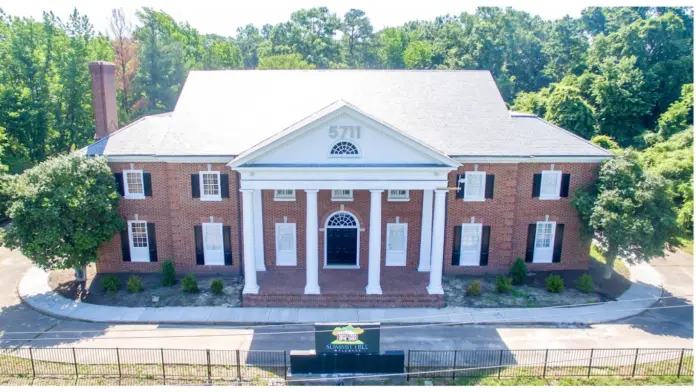
Summit Hill Wellness is located in Richmond, Virginia. The organization offers online addiction treatment services for clients with drug, alcohol, and gambling addictions. Additionally, they offer online treatment for co-occurring mental health disorders. They accept insurance from some providers, and they accept Medicaid and Medicare.
Online Addiction Treatment in Richmond, Virginia
The organization is headquartered in Richmond, Virginia, though the programs are provided online. Online programs are a great alternative to in person treatment for people who have transportation or other obstacles keeping them from getting the help they need.
The programs offered by this organization are similar to in person programs. These include a remote intensive outpatient program (IOP) and a partial hospitalization program (PHP).
The remote IOP and PHP programs both take about 12 weeks, depending on your commitment to attending the online sessions. Although you can attend the programs from anywhere, if you live in a state other than Virginia, your insurance may consider it out of network. If you’re attending from another state, you’ll be matched with a therapist who is licensed in your home state.
SmartIOP Addiction Treatment
One of their unique programs is the SmartIOP. This is a self paced program that you’ll take on your own.
SmartIOP is intended to be completed in 6-12 weeks. You’ll have a case manager and therapist follow up with you to ensure you’re staying on course and making good progress.
Clients from all walks of life and experiences attend the online sessions. They help LGBTQ+ clients, veterans, active duty military, court referred clients and those dealing with trauma. The focus of the programs is to assist clients with substance use and other addictions, as well as co-occurring mental health disorders.

Rehab Score
 Our Methodology


Gallery
Accepted Insurance
Other Forms of Payment
Self-pay involves paying for treatment out of your own pocket. You can use savings or credit, get a personal loan, or receive help from family and friends to fund your treatment. If you don't have insurance or your insurance plan doesn't cover a specific program, self-pay can help ensure you still get the care you need.
Private insurance refers to any kind of healthcare coverage that isn't from the state or federal government. This includes individual and family plans offered by an employer or purchased from the Insurance Marketplace. Every plan will have different requirements and out of pocket costs so be sure to get the full details before you start treatment.
Medicaid is a state based program that helps lower-income individuals and families pay for healthcare. Medicaid covers addiction treatment so those enrolled can use their coverage to pay for rehab. When a program accepts Medicaid the client often pays very little or nothing out of their own pocket.
Medicare is a federal program that provides health insurance for those 65 and older. It also serves people under 65 with chronic and disabling health challenges. To use Medicare for addiction treatment you need to find a program that accepts Medicare and is in network with your plan. Out of pocket costs and preauthorization requirements vary, so always check with your provider.
Private insurance refers to any kind of healthcare coverage that isn't from the state or federal government. This includes individual and family plans offered by an employer or purchased from the Insurance Marketplace. Every plan will have different requirements and out of pocket costs so be sure to get the full details before you start treatment.
Addiction Treatments
Levels of Care
Outpatient Programs (OP) are for those seeking mental rehab or drug rehab, but who also stay at home every night. The main difference between outpatient treatment (OP) and intensive outpatient treatment (IOP) lies in the amount of hours the patient spends at the facility. Most of the time an outpatient program is designed for someone who has completed an inpatient stay and is looking to continue their growth in recovery. Outpatient is not meant to be the starting point, it is commonly referred to as aftercare.
Intensive Outpatient Programs (IOP) are for those who want or need a very structured treatment program but who also wish to live at home and continue with certain responsibilities (such as work or school). IOP substance abuse treatment programs vary in duration and intensity, and certain outpatient rehab centers will offer individualized treatment programs.
A partial hospitalization program (PHP) is a short-term form of intensive rehab, usually for those with acute symptoms that are hard to manage but don’t require 24-hour care. PHPs have structured programming (i.e. individual and/or group therapy), and usually meet 3-5 days a week for around 6 hours (i.e. 9am-3m). Some PHPs are residential (patients sleep on site) and some are not, so patients sleep at home. PHPs can last from 1-6 months, and some offer transportation and meals.
Treatments
A combined mental health and substance abuse rehab has the staff and resources available to handle individuals with both mental health and substance abuse issues. It can be challenging to determine where a specific symptom stems from (a mental health issue or an issue related to substance abuse), so mental health and substance abuse professionals are helpful in detangling symptoms and keeping treatment on track.
 Opioid Addiction
Virginia provides substance abuse treatment for individuals struggling with addiction and co-occurring mental health disorders. These programs incorporate evidence-based therapies such as cognitive-behavioral therapy (CBT), dialectical behavior therapy (DBT), and trauma-informed care. With a variety of treatment options available, including outpatient, inpatient, and residential programs, you can find personalized care to support you in achieving sobriety and learning the skills to maintain long-term recovery.
In Virginia, dual-diagnosis addiction treatment programs focus on providing integrated care for individuals with co-occurring substance use disorders and mental health conditions. Specialized programs offer medically monitored detox, outpatient, inpatient, and partial hospitalization. Therapies such as cognitive-behavioral therapy (CBT), dialectical behavior therapy (DBT), trauma-informed therapy, and family therapy help to address both disorders simultaneously while promoting mental health and well-being.
Programs
Adult rehab programs include therapies tailored to each client's specific needs, goals, and recovery progress. They are tailored to the specific challenges adult clients may face, including family and work pressures and commitments. From inpatient and residential treatment to various levels of outpatient services, there are many options available. Some facilities also help adults work through co-occurring conditions, like anxiety, that can accompany addiction.
Teen programs are designed to address the unique pressures teens face, pressures that can drive them to experiment with dangerous, addictive substances. They need programs that meet them exactly where they are and give them tools for long-term recovery. Therapy can help teenagers understand and work through underlying issues so they can reclaim the life ahead of them.
Serving in the military is both mentally and physically challenging, and can result in trauma that persists even after combat ends. Military programs are tailored to the specific and often complex needs of active duty personnel, veterans, and military families. Clients often access these programs through the U.S. Department of Veterans Affairs (VA).
Clinical Services
Family therapists work with all members of the family to understand the roles they play in the addiction dynamic. Addressing these patterns is crucial to developing healthier ways to interact and support each other, as well as contributing to a more effective recovery for their loved ones.
When men and women in Virginia participate in group therapy sessions, they learn to freely express their emotions in a non judgmental setting. This helps you process your feelings and begin to understand the link between your thoughts, feelings, and behaviors that are associated with addictive behavior.
In individual therapy, a patient meets one-on-one with a trained psychologist or counselor. Therapy is a pivotal part of effective substance abuse treatment, as it often covers root causes of addiction, including challenges faced by the patient in their social, family, and work/school life.
Cognitive behavioral therapy in Virginia is a short term form of talk therapy. Participants usually have homework between sessions, which may include journaling, self talk, and setting SMART goals. The aim is to transform negative thought patterns into positive ones.
Motivational interviewing in Virginia allows clients to examine their lives and consider their options. It is particularly useful if the client lacks confidence in their ability to change or is feeling uncertain about their desire to change.
Staff & Accreditations
Staff

Ami Dar
Executive Director
Andrea Pilman
Development Manager
Bradley Bewkes
Director of Business Development
Accreditations

LegitScript has reviewed Summit Hill Wellness as part of their certification program, and has determined that it meets the LegitScript standards for legality, safety and transparency.
LegitScript verified in April 2021

The Commission on Accreditation of Rehabilitation Facilities (CARF) is a non-profit organization that specifically accredits rehab organizations. Founded in 1966, CARF's, mission is to help service providers like rehab facilities maintain high standards of care.
CARF Accreditation: Yes
Rehab.com regularly reviews this listing for accuracy but changes may occur between updates. For the most up-to-date information, please contact Summit Hill Wellness.
Contact Information


5711 Chamberlayne Rd
Richmond, VA 23227
Sponsored Helpline

