Get Help Now
Question iconSponsored Helpline
Phone icon 800-784-1361
Claim Profile

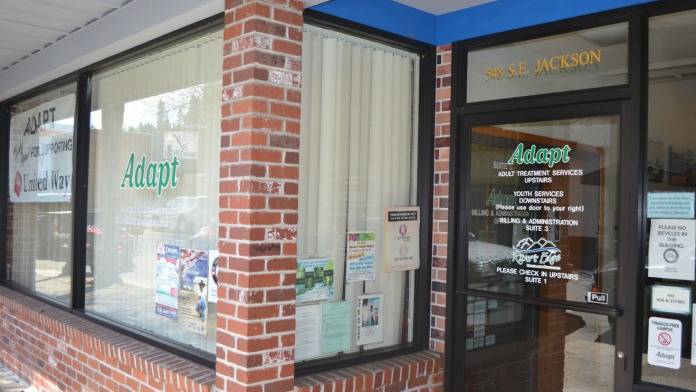
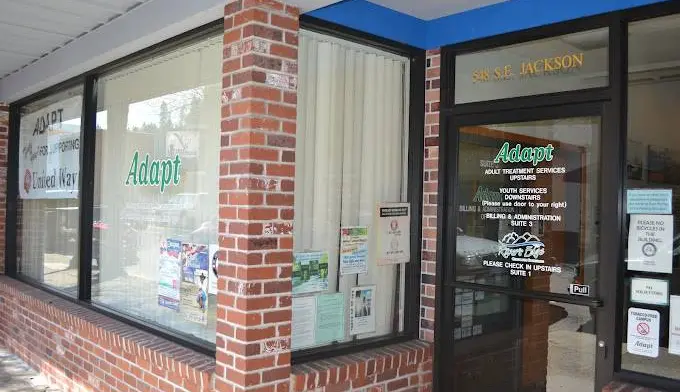
Adapt Integrated Health Care

548 SE Jackson Street, Suite 1
Roseburg, OR 97470
Claim Profile
ADAPT OR 97470

About Adapt Integrated Health Care

Detox takes place before other forms of treatment can begin to ensure that no more abused substances are in a client’s system. They have a nine bed unit for sub acute residential detox managed by licensed medical staff.

Clients in the inpatient program live on one of Adapt’s residential campuses for the duration of treatment. In addition to food and lodging, they are given a comprehensive treatment plan using an array of holistic and evidence-based therapies to help them understand and overcome addiction. Other services include chronic pain management, medical assessments, comprehensive case management, and specialized programs for women in crisis.

Adapt’s program empowers you to take control and responsibility for your life. The duration of the program varies depending on client needs, and they may be referred to other treatment programs within Adapt for continuing care. All clients are closely monitored by staff.

Clients who are in the early stages of addiction and don’t exhibit severe symptoms are referred to the outpatient program. Instead of living on campus, they visit on a regular schedule to receive therapy and other services. The outpatient program offers the same treatment programs as an inpatient but allows clients to continue working and living at home. Aftercare may include connections to local, community-based providers that can provide ongoing recovery support, including healthcare services, vocational counseling, transportation, transitional housing, and related resources.

Substance abuse is often present alongside mental illness, and the symptoms created by one problem can worsen the other. Adapt staff treat co-occurring disorders by integrating relevant mental health care programs into their inpatient and outpatient treatment options to stop the cycle and provide deeper care.

Similar Rehab Centers

Fact checked and written by:
Courtney Myers, MS
Edited by:
Peter Lee, PhD

Latest Reviews

Aron Lilly
3 months ago on Google
5
Love the Staff here.
Jess
6 months ago on Google
1
I've become Jaded when it comes to this program. They provide little to no stability when it comes to case managers - I've had 3 different case managers in the 2 years that I've been a patient. My last case manager still works there and completely ignores me when walking through the lobby. I truly can't wait to finish tapering off of Methadone and move on with my life. Deuces✌️
Sickology
2 years ago on Google
1
Rude customer service
Response from the owner1 week ago
Thank you for sharing your experience with us. We regret to hear about your experience and see that this has been duplicated to another site. Our primary goal is to create an environment where our clients feel understood and valued.

If you're comfortable discussing this further, please reach out to us directly so we can better understand and address your concerns. We look forward to hearing from you.
Rehab.com icon

Rehab Score

Question iconOur Methodology
Scoring is assigned by a proprietary system which helps surface key metrics that determine quality. The 10-point scale factors in categories such as operations, customer satisfaction, and trust metrics. Read Full MethodologyCaret icon
Gauge icon
7.1 / 10

Accepted Insurance

Please contact to verify your specific insurance provider.

Adapt Integrated Health Care works with several private insurance providers, please contact to verify your specific insurance provider.

Other Forms of Payment

Private insurance refers to any kind of healthcare coverage that isn't from the state or federal government. This includes individual and family plans offered by an employer or purchased from the Insurance Marketplace. Every plan will have different requirements and out of pocket costs so be sure to get the full details before you start treatment.

Self-pay involves paying for treatment out of your own pocket. You can use savings or credit, get a personal loan, or receive help from family and friends to fund your treatment. If you don't have insurance or your insurance plan doesn't cover a specific program, self-pay can help ensure you still get the care you need.

Financial aid can take many forms. Centers may have grants or scholarships available to clients who meet eligibility requirements. Programs that receive SAMHSA grants may have financial aid available for those who need treatment as well. Grants and scholarships can help you pai for treatment without having to repay.

Sliding scale payments are based on a client's income and family size. The goal is to make treatment affordable to everyone. By taking these factors into account, addiction recovery care providers help ensure that your treatment does not become a financial burden to you or your family, eliminating one barrier to care.

Medicare is a federal program that provides health insurance for those 65 and older. It also serves people under 65 with chronic and disabling health challenges. To use Medicare for addiction treatment you need to find a program that accepts Medicare and is in network with your plan. Out of pocket costs and preauthorization requirements vary, so always check with your provider.

Medicaid is a state based program that helps lower-income individuals and families pay for healthcare. Medicaid covers addiction treatment so those enrolled can use their coverage to pay for rehab. When a program accepts Medicaid the client often pays very little or nothing out of their own pocket.

Military members, veterans, and eligible dependents have access to specific insurance programs that help them get the care they need. TRICARE and VA insurance can help you access low cost or no cost addiction and mental health treatment. Programs that accept military insurance often have targeted treatment focused on the unique challenges military members, veterans, and their families face.

Addiction Treatments

Levels of Care

Outpatient Programs (OP) are for those seeking mental rehab or drug rehab, but who also stay at home every night. The main difference between outpatient treatment (OP) and intensive outpatient treatment (IOP) lies in the amount of hours the patient spends at the facility. Most of the time an outpatient program is designed for someone who has completed an inpatient stay and is looking to continue their growth in recovery. Outpatient is not meant to be the starting point, it is commonly referred to as aftercare.

Drug and alcohol addiction often takes a heavy toll on one's body. Over time, a physical dependence can develop, meaning the body physiologically needs the substance to function. Detox is the process of removing drugs and/or alcohol from the body, a process that can be lethal if mismanaged. Medical detox is done by licensed medical professionals who monitor vital signs and keep you safe, healthy, and as comfortable as possible as you go through detox and withdrawal.

Intensive Outpatient Programs (IOP) are for those who want or need a very structured treatment program but who also wish to live at home and continue with certain responsibilities (such as work or school). IOP substance abuse treatment programs vary in duration and intensity, and certain outpatient rehab centers will offer individualized treatment programs.

Inpatient rehabs differ from outpatient facilities in the intensity and frequency of treatment. Clients in inpatient care reside at the treatment facility for the length of the program. They engage in intensive addiction counseling and recovery-focused life skills training. Treatment programs may draw from a variety of methods, including CBT, DBT, RBT, trauma therapy, and motivational interviewing. Holistic therapies, such as yoga and message, are frequently available to clients in inpatient care.

Treatments

The goal of treatment for alcoholism is abstinence. Those with poor social support, poor motivation, or psychiatric disorders tend to relapse within a few years of treatment. For these people, success is measured by longer periods of abstinence, reduced use of alcohol, better health, and improved social functioning. Recovery and Maintenance are usually based on 12 step programs and AA meetings.

Drug rehab in Oregon offers a full continuum of care for those struggling with addiction. From detox, to inpatient, to outpatient, to aftercare, Oregon residents can find the support they need for recovery. This treatment empowers individuals to replace drug use with positive alternatives and develop a healthier lifestyle.

Many of those suffering from addiction also suffer from mental or emotional illnesses like schizophrenia, bipolar disorder, depression, or anxiety disorders. Rehab and other substance abuse facilities treating those with a dual diagnosis or co-occurring disorder administer psychiatric treatment to address the person's mental health issue in addition to drug and alcohol rehabilitation.

Opioid rehabs specialize in supporting those recovering from opioid addiction. They treat those suffering from addiction to illegal opioids like heroin, as well as prescription drugs like oxycodone. These centers typically combine both physical as well as mental and emotional support to help stop addiction. Physical support often includes medical detox and subsequent medical support (including medication), and mental support includes in-depth therapy to address the underlying causes of addiction.

Substance rehabs focus on helping individuals recover from substance abuse, including alcohol and drug addiction (both illegal and prescription drugs). They often include the opportunity to engage in both individual as well as group therapy.

Programs

Serving in the military is both mentally and physically challenging, and can result in trauma that persists even after combat ends. Military programs are tailored to the specific and often complex needs of active duty personnel, veterans, and military families. Clients often access these programs through the U.S. Department of Veterans Affairs (VA).

Adult rehab programs include therapies tailored to each client's specific needs, goals, and recovery progress. They are tailored to the specific challenges adult clients may face, including family and work pressures and commitments. From inpatient and residential treatment to various levels of outpatient services, there are many options available. Some facilities also help adults work through co-occurring conditions, like anxiety, that can accompany addiction.

The providers who specialize in the children's rehab space understand the specialized needs that this population faces. School-based and social services such as tutoring and family counseling are often central to treatment. Child programs may also address the needs of youth experiencing substance abuse in the home, including a parent's or sibling's addiction.

Clinical Services

Research clearly demonstrates that recovery is far more successful and sustainable when loved ones like family members participate in rehab and substance abuse treatment. Genetic factors may be at play when it comes to drug and alcohol addiction, as well as mental health issues. Family dynamics often play a critical role in addiction triggers, and if properly educated, family members can be a strong source of support when it comes to rehabilitation.

Group therapy is any therapeutic work that happens in a group (not one-on-one). There are a number of different group therapy modalities, including support groups, experiential therapy, psycho-education, and more. Group therapy involves treatment as well as processing interaction between group members.

Trauma therapy addresses traumatic incidents from a client's past that are likely affecting their present-day experience. Trauma is often one of the primary triggers and potential causes of addiction, and can stem from child sexual abuse, domestic violence, having a parent with a mental illness, losing one or both parents at a young age, teenage or adult sexual assault, or any number of other factors. The purpose of trauma therapy is to allow a patient to process trauma and move through and past it, with the help of trained and compassionate mental health professionals.

Cognitive behavioral therapy (CBT) in Oregon is a short term talk therapy method used to treat mental and behavioral disorders. Based on client needs, the therapist may recommend five to 20 sessions. Typically, this form of therapy requires fewer sessions than many other types of treatment.

The six main elements of dialectical behavior therapy are designed to help you develop skills for recovery. These are related to: 1. Accepting your circumstances 2. Learning new skills 3. Receiving support 4. Learning positive behavioral responses 5. Changing negative thought patterns 6. Building collaboration skills.

Individualized therapy is personalized sessions to address your drug and alcohol addiction treatment. Your therapist seeks to understand your background and addiction triggers so they can collaborate with you to create a customized plan. In this plan, you set realistic goals, address underlying mental and emotional issues, and develop effective coping strategies.

Staff & Accreditations

Staff

Dr. Greg Brigham

CEO

Grayson Bly

CFO

Stephanie Green

Chief Human Resources Officer

Tim Edwards

CIO

Dr. Terri Lundy

CMO

Michelle Watson

COO

Accreditations

The Commission on Accreditation of Rehabilitation Facilities (CARF) is a non-profit organization that specifically accredits rehab organizations. Founded in 1966, CARF's, mission is to help service providers like rehab facilities maintain high standards of care.

CARF Accreditation: Yes

The Substance Abuse and Mental Health Services Administration (SAMHSA) is a branch of the U.S. Department of Health and Human Services. Established in 1992 by congress, SAMHSA's mission is to reduce the impact of substance abuse and mental illness on American's communities.

SAMHSA Listed: Yes

State Licenses are permits issued by government agencies that allow rehab organizations to conduct business legally within a certain geographical area. Typically, the kind of program a rehab facility offers, along with its physical location, determines which licenses are required to operate legally.

State License: Oregon

Contact Information

Building icon

548 SE Jackson Street
Suite 1
Roseburg, OR 97470

Explore Other Centers Near Roseburg

Reviews of Adapt Integrated Health Care

2.92/5 (13 reviews)
0
Staff
0
Amenities
0
Meals
0
Value
0
Cleanliness
5
5
4
1
3
1
2
0
1
6

Reviews

4

Their MAT program has really made a huge difference in my life. It's amazing how now I'm able to lead a functional life and fulfill my family and work obligations.

Reviewed on 3/4/2019
Overall Experience
Date Submitted
Reviewer

Google Reviews

2.8333333333333 (12 reviews)
Aron Lilly
3 months ago
5

Love the Staff here.

Jess
6 months ago
1

I've become Jaded when it comes to this program. They provide little to no stability when it comes to case managers - I've had 3 different case managers in the 2 years that I've been a patient. My last case manager still works there and completely ignores me when walking through the lobby. I truly can't wait to finish tapering off of Methadone and move on with my life. Deuces✌️

Sickology
2 years ago
1

Rude customer service

Response from the owner
Thank you for sharing your experience with us. We regret to hear about your experience and see that this has been duplicated to another site. Our primary goal is to create an environment where our clients feel understood and valued.

If you're comfortable discussing this further, please reach out to us directly so we can better understand and address your concerns. We look forward to hearing from you.
Unstoppable Rob
2 years ago
1

I really wouldn't recommend this place, the therapist I had all after about 6 months worth of visits he informed me that I'm a pessimist, anyone with half a brain could've figured out that the kid who has been suicidal at the age of 7 was a pessimist in 15 seconds, it took this guy 6 months and I was told that HE WAS THE BEST THERAPIST IN THE WHOLE BUILDING

Response from the owner
Thank you for sharing your experience with us. We're sorry to hear that you are unsatisfied with the care you received. Our primary goal is to provide meaningful and effective support to our community. We value your feedback and have passed on your concern to our Compliance team for follow-up.

If you're comfortable discussing this further, please reach out to us directly so we can better understand and address your concerns. Thank you for bringing this to our attention.
Overall Experience
Date Submitted
No reviews matching the selected filter!
Get Help Now
Question iconSponsored Helpline

Phone icon 800-784-1361

Left arrow iconBack

Write a review for Adapt Integrated Health Care

Sharing your insights and experiences can help others learn more about this rehab center.

Title of Your Review
This is a required field
Your Review

Reviews comments must comply with our Review Policy Content Standards. Please do not use names (job titles / positions are acceptable) of any individual or identifying features, abusive remarks, or allegations of negligence or criminal activity.

A minimum of 200 characters and max of 2,000 characters required.
This is a required field
How would you rate the facility on the following?*
Overall Experience
Must select a star rating
Accomodations & Amenities
Must select a star rating
Meals & Nutrition
N/A
Must select a star rating
Treatment Effectiveness
Must select a star rating
Admissions Process
Must select a star rating
Staff & Friendliness
Must select a star rating
Cleanliness
Must select a star rating
Value for Cost
Must select a star rating
What is your connection to this facility?
This is a required field
Your Name*
This is a required field
Your Email*
This is a required field
Spinner icon Submitting your review...
Thumbs up icon Your review was successfully submitted.

Nearby Featured Providers

Get Help Today Phone icon 800-823-7153
Question iconSponsored Helpline