





























































































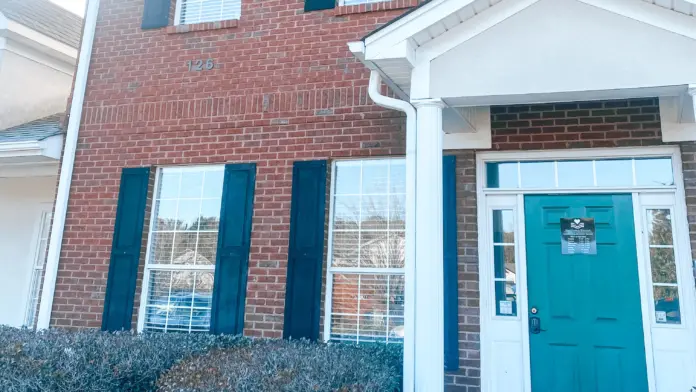
About Hope Harbor Wellness
The types of addiction they can help you overcome include alcohol, marijuana, prescription drugs and illicit substances. As one of the top-rated detox rehabs in Georgia, Hope Harbor Wellness believes in using evidence-based practices as a part of your treatment plan. Some of the therapeutic approaches that may be used in your treatment include cognitive behavioral therapy and dialectical behavioral therapy. They also combine these approaches with holistic therapies such as art therapy, yoga and meditation.
The outpatient drug detox program is unique in that it allows you to live at home while undergoing detox. You’ll make regular visits to the facility for support services and medical monitoring. It’s ideal for clients who have a strong support network and a stable home environment.
One other program that stands out is their LGBTQ+ Drug Rehab. Hope Harbor Wellness understands the unique challenges that face the LGBTQ+ community when it comes to addiction. That’s why they have treatment tailored to these specific issues in an accepting and inclusive environment. Staff members are also prepared to help with mental health concerns that affect the LGBTQ+ community such as depression and the complexities of social stigma.
Hope Harbor Wellness collaborates with most leading insurance provider, such as Aetna and Cigna. As you’re going through recovery, you have the convenience of experiencing many different activities that the greater Atlanta metro area has to offer. You can spend a fun afternoon at the Centennial Olympic Park or learn about aquatic life at the Georgia Aquarium.
Latest Reviews



Rehab Score
 Our Methodology


Gallery
Accepted Insurance
Other Forms of Payment
Private insurance refers to any kind of healthcare coverage that isn't from the state or federal government. This includes individual and family plans offered by an employer or purchased from the Insurance Marketplace. Every plan will have different requirements and out of pocket costs so be sure to get the full details before you start treatment.
Self-pay involves paying for treatment out of your own pocket. You can use savings or credit, get a personal loan, or receive help from family and friends to fund your treatment. If you don't have insurance or your insurance plan doesn't cover a specific program, self-pay can help ensure you still get the care you need.
Military members, veterans, and eligible dependents have access to specific insurance programs that help them get the care they need. TRICARE and VA insurance can help you access low cost or no cost addiction and mental health treatment. Programs that accept military insurance often have targeted treatment focused on the unique challenges military members, veterans, and their families face.
Addiction Treatments
Levels of Care
Outpatient Programs (OP) are for those seeking mental rehab or drug rehab, but who also stay at home every night. The main difference between outpatient treatment (OP) and intensive outpatient treatment (IOP) lies in the amount of hours the patient spends at the facility. Most of the time an outpatient program is designed for someone who has completed an inpatient stay and is looking to continue their growth in recovery. Outpatient is not meant to be the starting point, it is commonly referred to as aftercare.
Inpatient rehabs feature intensive clinical supervision and a highly structured and supportive environment, meaning they are especially well suited for clients in early recovery and those at risk of relapse. Clients reside at the treatment facility and engage in various therapeutic sessions throughout the day, including addiction counseling and recovery-focused life skills training. Many programs also offer evidence-based complementary therapies, such as meditation and massage.
Clients enrolled in an intensive outpatient program (IOP) travel to treatment centers for specialized care multiple times per week. Intensive outpatient treatment allows clients to receive robust care while continuing to live at home. Most programs require between nine and 20 treatment hours per week, with the frequency and intensive of sessions decreasing as clients stabilize. Services generally include a combination of addiction counseling, medication assisted treatment (MAT), recovery-focused life skills training, and holistic therapies.
Aftercare, which is sometimes referred to as continuing care or relapse prevention, is a type of structured care meant to help you continue with the progress you've made after completing an addiction treatment program. Most of the time, you'll continue receiving support after a treatment program by partnering with their case managers and staff to identify and access the resources you need to remain sober.
Participants in 12 step recovery programs focus on personal growth to address the emotional and psychological factors contributing to their addiction. 12 step recovery is rooted in spiritual development, but religious affiliation isn't required. Regular group meetings and individualized support with the help of self-selected sponsors promote participants' sobriety as they work through the 12 steps, gaining insight into their addiction, taking responsibility for their life choices, and releasing control over that which is uncontrollable.
Designed for individuals who don't require round-the-clock care, a partial hospitalization program (PHP) is a form of outpatient care with a higher level of support. PHP treatment can be an alternative to inpatient hospitalization or a step-down option. With daily sessions lasting 6 to 8 hours, up to 5 days a week, a partial hospitalization program may offer medication management, relapse prevention techniques, and behavioral therapy interventions. PHP treatment can be fully or partially covered by insurance.
Medical detox is the process of ridding the body of addictive substances in a medically supervised setting. If you become chemically dependent on a substance like alcohol, opioids, or benzodiazepines (like Xanax or Ativan), quitting abruptly can cause uncomfortable or even dangerous side effects. Licensed medical professionals ensure the process goes as safely and comfortably as possible while monitoring you 24/7 and administering any required medications,
Programs
Adult rehab programs include therapies tailored to each client's specific needs, goals, and recovery progress. They are tailored to the specific challenges adult clients may face, including family and work pressures and commitments. From inpatient and residential treatment to various levels of outpatient services, there are many options available. Some facilities also help adults work through co-occurring conditions, like anxiety, that can accompany addiction.
Young adulthood can be an exciting, yet difficult, time of transition. Individuals in their late teens to mid-20s face unique stressors related to school, jobs, families, and social circles, which can lead to a rise in substance use. Rehab centers with dedicated young adult programs will include activities and amenities that cater to this age group, with an emphasis on specialized counseling, peer socialization, and ongoing aftercare.
Recovery is most successful when clients feel accepted and validated by their peers and treatment providers. Facilities that offer LGBTQ-inclusive programming are committed to creating a safe space where everyone can grow and recover without fear of judgment or discrimination. They will have dedicated policies in place to create a safe and supportive environment that fosters free expression.
Serving in the military is both mentally and physically challenging, and can result in trauma that persists even after combat ends. Military programs are tailored to the specific and often complex needs of active duty personnel, veterans, and military families. Clients often access these programs through the U.S. Department of Veterans Affairs (VA).
Clinical Services
While cognitive behavioral therapy in Georgia is unique for each person, this therapy follows a standard structure that has proven effective. Clients first learn about their substance use disorder, then learn and practice techniques such as coping, stress management, and resilience to change their thought and behavior patterns.
While each person is unique, the typical length for dialectical behavior therapy is six months to a year. You'll attend weekly hour long individual sessions with your therapist, as well as weekly group sessions. Homework between sessions often includes keeping a diary to track your emotions and behaviors. Your therapist uses this diary to guide the focus of each session.
People in Georgia find that group therapy offers a place to share responsibility for each other's recovery. This helps foster a collective commitment to sobriety, which increases your potential for success and creates a network of mutual support that often follows into personal friendships.
Men and women in Georgia may experience Motivational Interviewing techniques while undergoing individual therapy for drug and alcohol addiction treatment. This approach helps you explore how you feel about drug use and it strengthens your commitment to maintaining treatment. It is particularly useful in the early stages of recovery.
During rehab in Georgia, you may engage in motivational interviewing. This typically lasts one to two sessions and is designed to address any ambivalence you have toward change. It helps you explore your current situation and motivations and commit to making changes for the future.
In trauma therapy, you address the emotional and psychological effects of traumatic events in your life. Your therapist provides you with the tools you need to process those memories and reduce the symptoms. This helps improve your overall mental health and functioning.
The skills you learn in couples therapy are designed to help you successfully address relationship challenges as they arise. These skills can include anger management, conflict resolution, communication, and problem solving.
 Eye Movement Desensitization And Reprocessing
During family therapy sessions in Georgia, members address the emotional toll that addiction has had on them. Therapists help your family develop coping strategies and improve the family unit's communication. This provides a stable environment that supports the recovery process.
Many life skills involve coping with emotions and stress. Others involve completing tasks that allow you to live independently. Examples include finding a job, managing finances, and nutrition. During rehab in Georgia, you'll work on any skills that are lacking to ensure you have the tools for success post treatment.
When it is difficult to talk about feelings or challenges, creative arts therapy can provide an outlet to express your emotions and process the issues. A trained therapist will guide you in exploring your struggles through art forms such as dance, music, painting, or journaling.
Experiential therapy in Georgia focuses on subjective experiences. These experiences, such as art, music, animal care, or wilderness courses, evoke sensations and perceptions that allow you to process emotions, reflect, and achieve greater self awareness.
Amenities
-
 Yoga Studio
 -
 Residential Setting
 -
 Private Rooms
Staff & Accreditations
Staff

Kaitlin Harden, CES
Owner & CEO
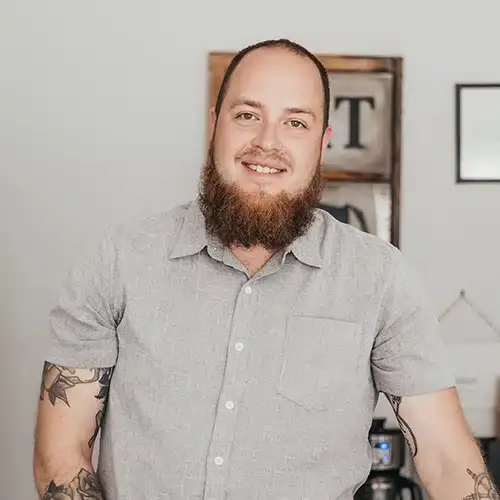
Andrew Widota
COO
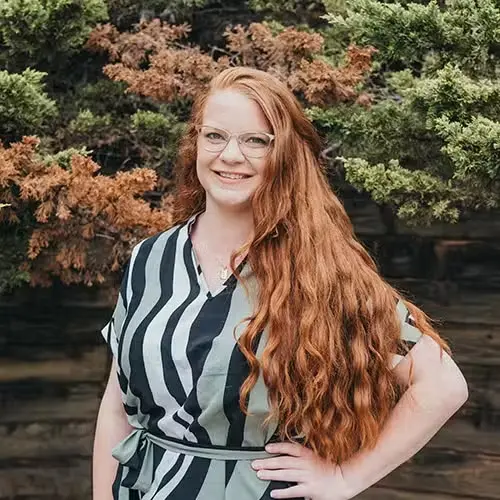
Alyssa Kirkpatrick
Chief Compliance Officer
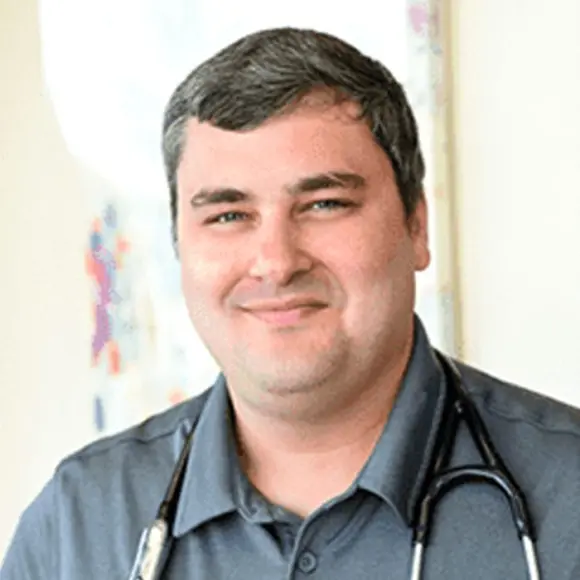
Dr. Joshua Yager
Medical Director
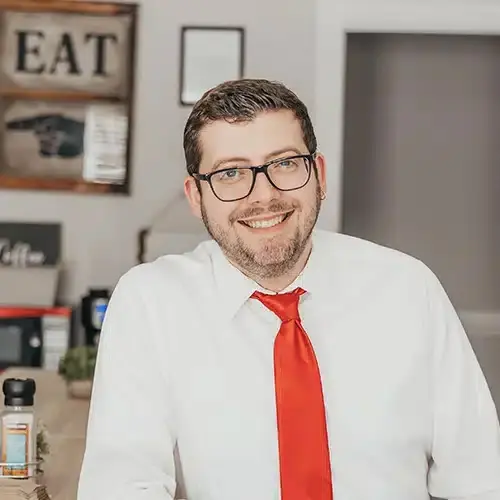
Jeff Duckworth
Executive Director
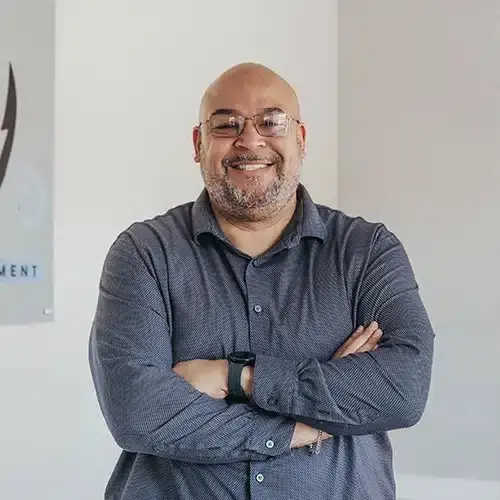
Jame Cabble
Executive Clinical Director
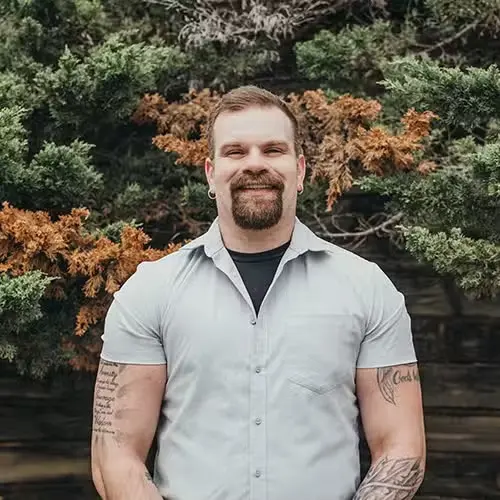
Joshua Presley
Operations Manager
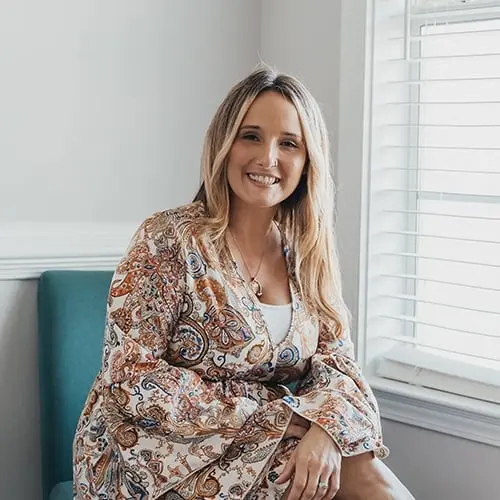
Bethany Harrelson
Program Manager
Accreditations

The Substance Abuse and Mental Health Services Administration (SAMHSA) is a branch of the U.S. Department of Health and Human Services. Established in 1992 by congress, SAMHSA's mission is to reduce the impact of substance abuse and mental illness on American's communities.
SAMHSA Listed: Yes

LegitScript has reviewed Hope Harbor Wellness as part of their certification program, and has determined that it meets the LegitScript standards for legality, safety and transparency.
LegitScript verified in

The Joint Commission, formerly known as JCAHO, is a nonprofit organization that accredits rehab organizations and programs. Founded in 1951, the Joint Commision's mission is to improve the quality of patient care and demonstrating the quality of patient care.
Joint Commission Accreditation: Yes
Rehab.com regularly reviews this listing for accuracy but changes may occur between updates. For the most up-to-date information, please contact Hope Harbor Wellness.
Contact Information


126 Enterprise Path
Suite 208
Cartersville, GA 30141
Sponsored Helpline


