















































































































About Knoxville Recovery Center
Their detox effectively prepares you for continued treatment through evidence-based practices. It’s clinically supervised, where medical professionals evaluate and monitor clients throughout withdrawal. Detox typically lasts seven to 10 days but can vary based on client needs. Once withdrawal is complete, you’ll be offered various therapies and recovery exercises.
Those enrolled in the 24/7 medically monitored inpatient residential treatment program will be housed in apartment-style residence rooms and have access to various amenities. The residence can accommodate 36 individuals, with 24 being dedicated to substance abuse and detox clients. You should expect structured, individualized treatment, workshops, group and individual counseling, group activities, and coping skills education.
The Knoxville Recovery Center works with most major health insurance providers. However, confirming out-of-network benefits or coverage with your insurer is imperative before enrolling at this rehab center.
Facility Overview
 36
36 Latest Reviews



Rehab Score
 Our Methodology


Gallery
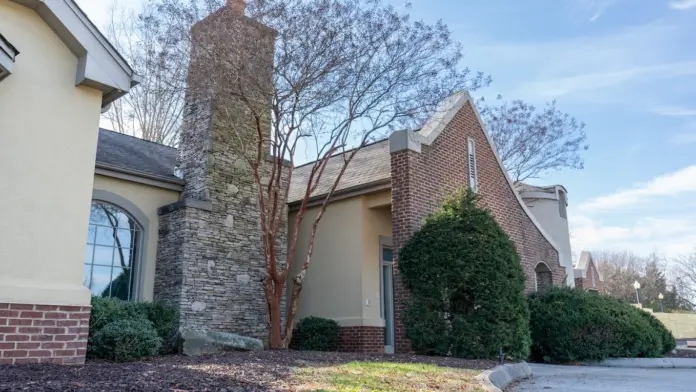
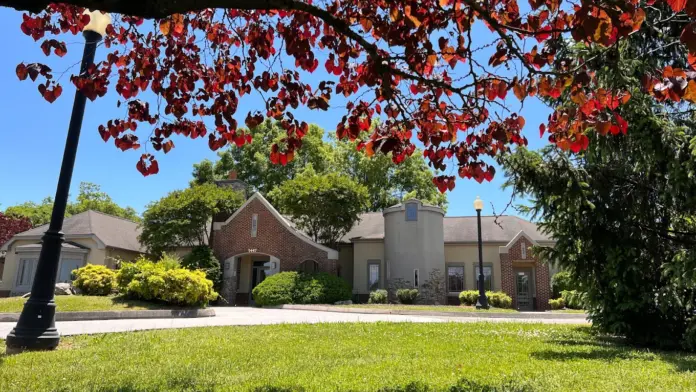
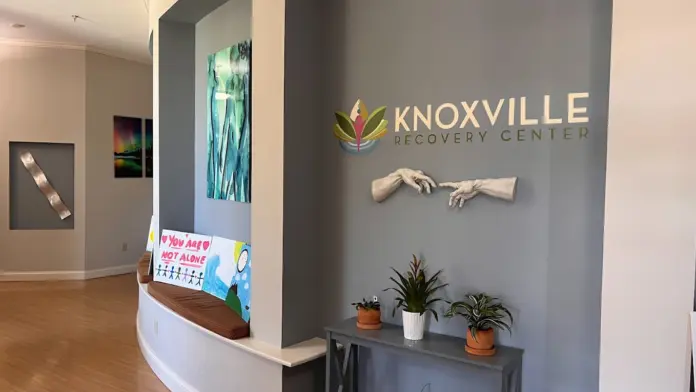

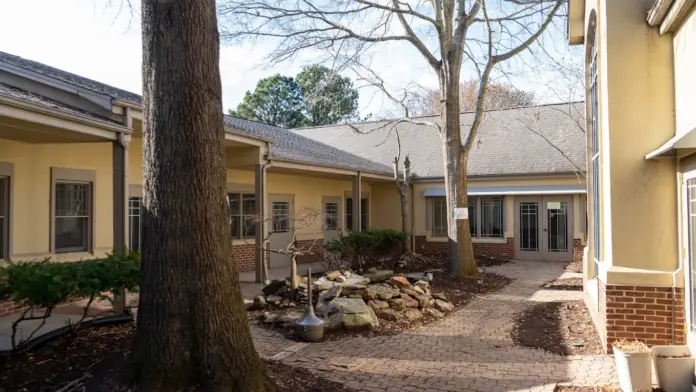
Accepted Insurance

Other Forms of Payment
Private insurance refers to any kind of healthcare coverage that isn't from the state or federal government. This includes individual and family plans offered by an employer or purchased from the Insurance Marketplace. Every plan will have different requirements and out of pocket costs so be sure to get the full details before you start treatment.
Self-pay involves paying for treatment out of your own pocket. You can use savings or credit, get a personal loan, or receive help from family and friends to fund your treatment. If you don't have insurance or your insurance plan doesn't cover a specific program, self-pay can help ensure you still get the care you need.
Military members, veterans, and eligible dependents have access to specific insurance programs that help them get the care they need. TRICARE and VA insurance can help you access low cost or no cost addiction and mental health treatment. Programs that accept military insurance often have targeted treatment focused on the unique challenges military members, veterans, and their families face.
Addiction Treatments
Levels of Care
Residential treatment programs are those that offer housing and meals in addition to substance abuse treatment. Rehab facilities that offer residential treatment allow patients to focus solely on recovery, in an environment totally separate from their lives. Some rehab centers specialize in short-term residential treatment (a few days to a week or two), while others solely provide treatment on a long-term basis (several weeks to months). Some offer both, and tailor treatment to the patient's individual requirements.
Clients receiving support in a rehab aftercare program typically have abstained from drugs or alcohol for a period of weeks or months and have completed high-level (often inpatient) treatment. Drug rehab aftercare is designed to support clients in maintaining their sobriety as they re-engage with their ordinary lives at home, in the workplace, and in the community. Services are highly individualized and evolve with clients' changing needs, but generally include peer coaching and relapse prevention.
When enrolld in an addiction recovery program that's based on the 12 step model, clients are able to cultivate recovery-focused life skills emphasizing spiritual, mental, and emotional healing. Participants receive intensive peer support in 12 step meetings, which are anonymous, free, open to the public, and available day and night in most communities. Self-selected sponsors guide sponsees through the recovery journey, cultivating self-awareness, forgiveness, acceptance, and accountability. Though these programs are rooted in spiritual principles, participants aren't required to be religiously affiliated.
Drug and alcohol addiction often takes a heavy toll on one's body. Over time, a physical dependence can develop, meaning the body physiologically needs the substance to function. Detox is the process of removing drugs and/or alcohol from the body, a process that can be lethal if mismanaged. Medical detox is done by licensed medical professionals who monitor vital signs and keep you safe, healthy, and as comfortable as possible as you go through detox and withdrawal. The length of stay at the detoxification program is determined according to the specific needs of the patient.
Treatments
Mental health rehabs focus on helping individuals recover from mental illnesses like bipolar disorder, clinical depression, anxiety disorders, schizophrenia, and more. Mental health professionals at these facilities are trained to understand and treat mental health issues, both in individual and group settings.
Substance rehabs focus on helping individuals recover from substance abuse, including alcohol and drug addiction (both illegal and prescription drugs). They often include the opportunity to engage in both individual as well as group therapy.
Programs
Adult rehab programs include therapies tailored to each client's specific needs, goals, and recovery progress. They are tailored to the specific challenges adult clients may face, including family and work pressures and commitments. From inpatient and residential treatment to various levels of outpatient services, there are many options available. Some facilities also help adults work through co-occurring conditions, like anxiety, that can accompany addiction.
Clinical Services
Typical cognitive behavioral therapy in Tennessee involves recognizing negative thinking and learning techniques to change that thinking and create new, positive behaviors. Strategies may include SMART goals, journaling, and situation exposure.
Counseling in Tennessee that takes a dialectical behavior therapy approach can last from six to 12 months. During that time, you'll develop skills in the areas of distress tolerance, mindfulness, emotional regulation, and interpersonal effectiveness.
Group therapy is any therapeutic work that happens in a group (not one-on-one). There are a number of different group therapy modalities, including support groups, experiential therapy, psycho-education, and more. Group therapy involves treatment as well as processing interaction between group members.
Family therapy uses a structured environment to address the complexities of addiction and the negative influences it has on the family unit. Therapists work with family members to develop effective coping and communication strategies that support their loved one's recovery while also focusing on the health and well being of each family member.
Life skills training teaches you how to cope with challenging situations in non destructive ways. This crucial piece of drug rehab in Tennessee gives you tools for decision making, relationship building, and self care.
Many individuals who are experiencing addiction are extremely malnourished. This is due to negative patterns that develop during active addiction. Nutrition therapy helps break these negative patterns and teaches you to develop healthy ones that will help you sustain sobriety long term.
Creative arts therapy can be integrated with other therapeutic methods during drug rehab in Tennessee. This treatment can provide unique experiences that allow you to better understand your feelings and experiences. Methods include music, art, dance, and writing therapy.
A wide range of therapeutic methods fall under the category of experiential therapy. Examples include drama therapy, animal assisted therapy, wilderness therapy, music therapy, and martial arts. Each of these offers an experience that allows the individual to express themselves and work through their emotions and experiences.
Amenities
-
 Yoga Studio
 -
 Residential Setting
 -
 Private Rooms
 -
 Gardens
Staff & Accreditations
Staff

Terry Shaffer
Facility Director

Jodi Sotlar
Nursing Manager
Accreditations

The Joint Commission, formerly known as JCAHO, is a nonprofit organization that accredits rehab organizations and programs. Founded in 1951, the Joint Commision's mission is to improve the quality of patient care and demonstrating the quality of patient care.
Joint Commission Accreditation: Yes
Rehab.com regularly reviews this listing for accuracy but changes may occur between updates. For the most up-to-date information, please contact Knoxville Recovery Center.
Contact Information


7447 Andersonville Pike
Knoxville, TN 37938
Sponsored Helpline


