


























































































Everyone shows you their appreciation in different ways, and they welcome you to a new family. It is an entirely fantastic life changing experience.
About Aiken Treatment Specialists
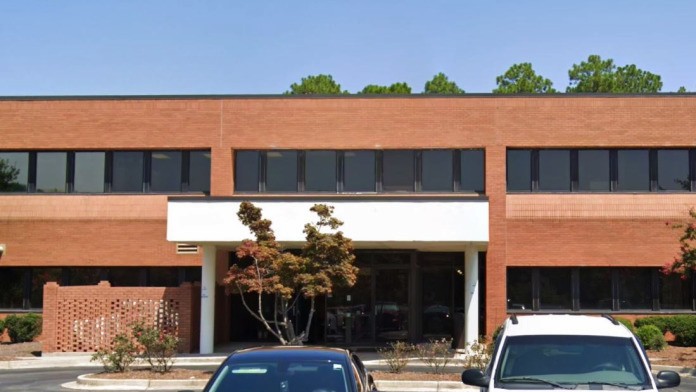
Aiken Treatment Specialists is located in Aiken, South Carolina. The facility offers outpatient addiction treatment services, including treatment for co-occurring mental health disorders.
They also provide medication assisted treatment (MAT) for clients with opioid use disorder (OUD). The organization accepts Medicaid, Medicare, most major health insurance, military insurance and Tribal funds.
CARF Accredited Addiction Programs in Aiken
The programs offered here are accredited by The Joint Commission and Commission on Accreditation of Rehabilitation Facilities, and recognized by SAMHSA (Substance Abuse and Mental Health Services Administration). The facility in Aiken is conveniently located near US 1/US 78 (Jefferson Davis Highway).
Aiken offers a variety of historical sites, natural spaces and cultural attractions. There are gardens and parks where you can relax, stroll and take time to reflect on your treatment.
The outpatient treatment services include individual, group and family therapy. They focus on cognitive behavioral therapy (CBT) to help clients learn to identify and manage their negative thoughts that lead to unwanted behaviors such as substance use. Clients learn healthier coping mechanisms and strategies to keep them from using substances.
Clients include young adults (18-21) and adults (21-65). They welcome everyone, including pregnant and postpartum women and clients from the LGBTQ+ community.
Specializing in Opiate Addiction Treatment
South Carolina has a burgeoning problem with opiate addiction. To combat the problem, the state requires doctors to consult a special database to ensure they’re not feeding an addiction when they prescribe painkillers.
The treatment facility specializes in clients with opioid use disorder (OUD). Since they opened in 2011, they’ve treated more than 700 people. The program includes MAT with methadone, Suboxone, and buprenorphine.
Clients can receive medication management for mental health prescriptions, in addition to therapy. The staff at the facility offers immediate crisis intervention and peer support services as well.
Fact checked and written by:
Susan Bertram, BA
Edited by:
Eric Owens
Latest Reviews
This place is a lifesaver. If not for this place my life would be a mess
Response from the owner4 months ago
Thank you so much for sharing and leaving us a great review!
Guest dosed here while in SC, to be with my daughter while she gave birth to my grandson. My home clinic is the BHG Nashville Treatment Center. I was in and out in minutes, they had my guest dosing paperwork, and all 27 doses ready for me when I got there. Not sure how they bill, but I know in Nashville they tell you the contract says one thing, when it says something else. Aiken BHG was on top of their assignments and did a great job. Wish I could give the Aiken location more than 5 stars!!
Response from the owner4 months ago
We appreciate you taking the time to leave these kind works – thank you!
When I 1st started BHG I was literally the definition of rock bottom, if I would of waited another day to come, I probably wouldn't be making this review right now, fentanyl had taken over my life, when I woke up in the morning F is the 1st thing I would do, and think about, the min my eyes opened I was scheming on how I was going to get my pills for the day and of course my wake up for the next day or I wouldn't be able to get out of the bed. When I 1st walked in them doors and walked up to the reception desk she must of seen the pain and desperation on my face, before I could even say anything, she looked at me and said you can let it all go now, your going to make it, we are going to get through this together and she came out to the waiting area and gave me the mother's hug that I needed so much at that time, well she wasn't the receptionist, who are absolutely great, but her name is nurse Kelly, from that day forward February 16th 2022 I have not touched another fentanyl pill , patch or how ever I could get it in my system. By the grace of God leading me in them doors that day, to a group of some of the most caring people, I'm free , all the staff and counselors are just amazing and Daylin my counselor is beyond great, he has a way to instantly make you feel comfortable and you can tell that this just ain't a pay check to him, you can tell that his concern is sincere and he truly wants to be a part of your journey to be clean if I could give BHG 10 stars I would, Thank you BHG for saving me.
Response from the owner4 months ago
Your kind words mean so much to us – thank you! 
Rehab Score
 Our Methodology
Scoring is assigned by a proprietary system which helps surface key metrics that determine quality. The 10-point scale factors in categories such as operations, customer satisfaction, and trust metrics. Read Full Methodology

6.6 / 10
Gallery
Other Forms of Payment
Self-pay involves paying for treatment out of your own pocket. You can use savings or credit, get a personal loan, or receive help from family and friends to fund your treatment. If you don't have insurance or your insurance plan doesn't cover a specific program, self-pay can help ensure you still get the care you need.
Addiction Treatments
Levels of Care
Outpatient Programs (OP) are for those seeking mental rehab or drug rehab, but who also stay at home every night. The main difference between outpatient treatment (OP) and intensive outpatient treatment (IOP) lies in the amount of hours the patient spends at the facility. Most of the time an outpatient program is designed for someone who has completed an inpatient stay and is looking to continue their growth in recovery. Outpatient is not meant to be the starting point, it is commonly referred to as aftercare.
Drug and alcohol addiction often takes a heavy toll on one's body. Over time, a physical dependence can develop, meaning the body physiologically needs the substance to function. Detox is the process of removing drugs and/or alcohol from the body, a process that can be lethal if mismanaged. Medical detox is done by licensed medical professionals who monitor vital signs and keep you safe, healthy, and as comfortable as possible as you go through detox and withdrawal.
Treatments
The goal of treatment for alcoholism is abstinence. Those with poor social support, poor motivation, or psychiatric disorders tend to relapse within a few years of treatment. For these people, success is measured by longer periods of abstinence, reduced use of alcohol, better health, and improved social functioning. Recovery and Maintenance are usually based on 12 step programs and AA meetings.
Choosing a drug rehab in South Carolina helps you overcome drug dependency, learn how to manage cravings, and obtain the tools needed to prevent relapse. This is accomplished through individualized treatment that addresses a full spectrum of physical, social, and emotional needs.
Opioid rehabs specialize in supporting those recovering from opioid addiction. They treat those suffering from addiction to illegal opioids like heroin, as well as prescription drugs like oxycodone. These centers typically combine both physical as well as mental and emotional support to help stop addiction. Physical support often includes medical detox and subsequent medical support (including medication), and mental support includes in-depth therapy to address the underlying causes of addiction.
Substance rehabs focus on helping individuals recover from substance abuse, including alcohol and drug addiction (both illegal and prescription drugs). They often include the opportunity to engage in both individual as well as group therapy.
Programs
Adult rehab programs include therapies tailored to each client's specific needs, goals, and recovery progress. They are tailored to the specific challenges adult clients may face, including family and work pressures and commitments. From inpatient and residential treatment to various levels of outpatient services, there are many options available. Some facilities also help adults work through co-occurring conditions, like anxiety, that can accompany addiction.
Young adulthood can be an exciting, yet difficult, time of transition. Individuals in their late teens to mid-20s face unique stressors related to school, jobs, families, and social circles, which can lead to a rise in substance use. Rehab centers with dedicated young adult programs will include activities and amenities that cater to this age group, with an emphasis on specialized counseling, peer socialization, and ongoing aftercare.
Clinical Services
Group therapy is any therapeutic work that happens in a group (not one-on-one). There are a number of different group therapy modalities, including support groups, experiential therapy, psycho-education, and more. Group therapy involves treatment as well as processing interaction between group members.
Staff & Accreditations
Staff

Jay Higham
CEO
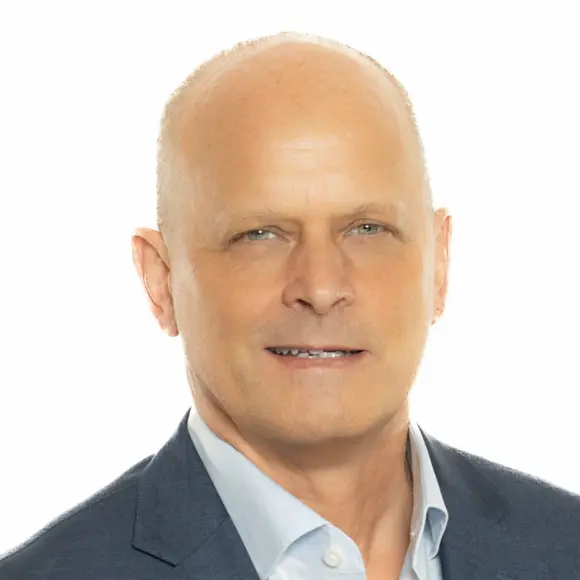
James Hopwood
CFO
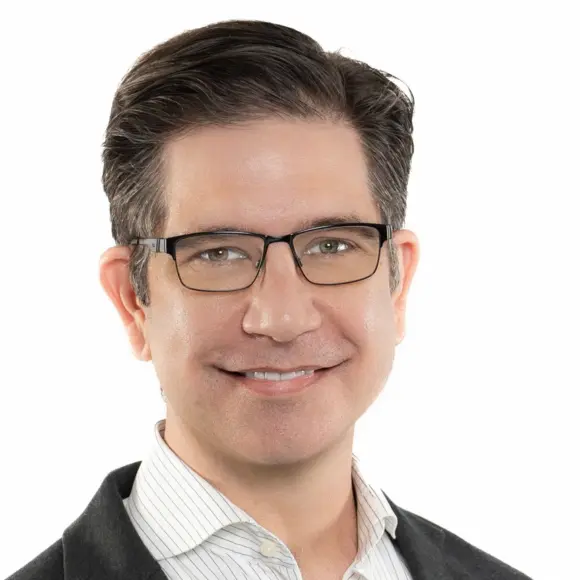
Dr. Benjamin Nordstrom
Chief Medical Officer
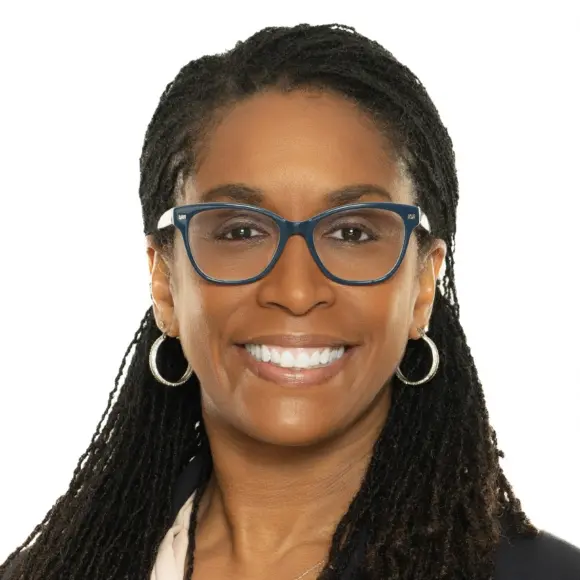
Dr. Kamala Greene Génecé
Chief Clinical Officer
Accreditations

The Substance Abuse and Mental Health Services Administration (SAMHSA) is a branch of the U.S. Department of Health and Human Services. Established in 1992 by congress, SAMHSA's mission is to reduce the impact of substance abuse and mental illness on American's communities.
SAMHSA Listed: Yes
Contact Information

410 University Parkway
Suite 1560
Aiken, SC 29801
Get Help Now - 803-575-2354
Sponsored Helpline
Sponsored Helpline


