















































































































About The Insight Program
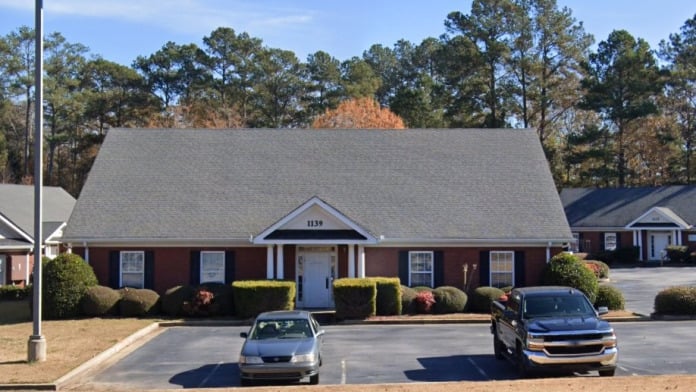
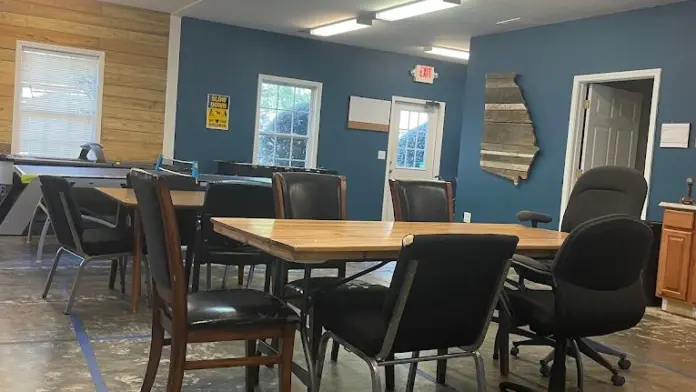
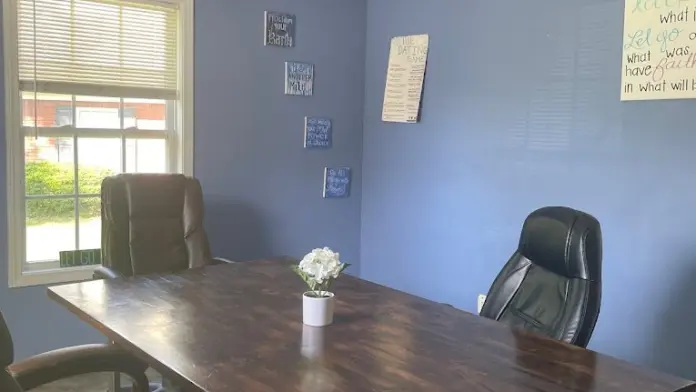
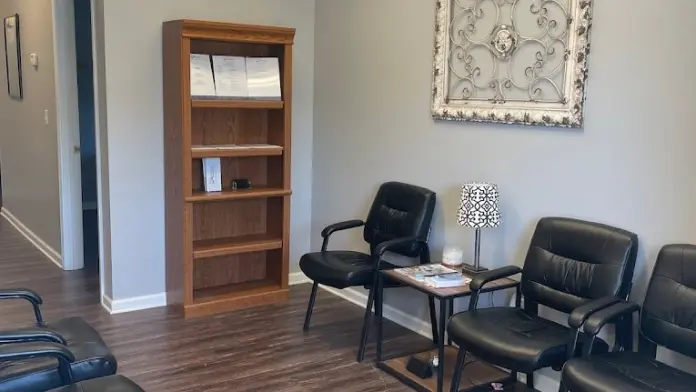
It’s great that they have this option available, especially when you consider that youth may feel more comfortable around peers rather than attending 12 step meetings with much older people who are already mature adults. They provide weekly meetings for youth and parents amidst supportive counselors, as well as fun community involved sober outings and fun activities for families.
One concerned mother said this place restored her son and her family’s dynamic to one of peace and harmony. Another mom said her daughter struggled with substance use until she went there, and has since been sober for two years. The overall opinion of those who have received care there reflects one of tremendous reassurance and satisfaction, leading many to not hesitate to suggest others take part. One person said the program was lifesaving, while a recovered person said they enjoyed getting to act as a mentor to others on a similar journey.
Latest Reviews



Rehab Score
 Our Methodology


Gallery
Other Forms of Payment
Self-pay involves paying for treatment out of your own pocket. You can use savings or credit, get a personal loan, or receive help from family and friends to fund your treatment. If you don't have insurance or your insurance plan doesn't cover a specific program, self-pay can help ensure you still get the care you need.
Addiction Treatments
Levels of Care
Residential treatment programs are those that offer housing and meals in addition to substance abuse treatment. Rehab facilities that offer residential treatment allow patients to focus solely on recovery, in an environment totally separate from their lives. Some rehab centers specialize in short-term residential treatment (a few days to a week or two), while others solely provide treatment on a long-term basis (several weeks to months). Some offer both, and tailor treatment to the patient's individual requirements.
Outpatient rehab enables clients to receive addiction treatment while continuing to work and reside at home. Many programs offer evening, night, and weekend services so that clients may receive treatment on their own schedule. Outpatient treatment modalities typically include addiction counseling, recovery-focused life skills training, and/or medication assisted treatment (MAT). Many programs also provide step-down care, including partial hospitalization (PHP), intensive outpatient (IOP), and standard outpatient services, to align with clients' evolving needs.
Aftercare, which is sometimes referred to as continuing care or relapse prevention, is a type of structured care meant to help you continue with the progress you've made after completing an addiction treatment program. Most of the time, you'll continue receiving support after a treatment program by partnering with their case managers and staff to identify and access the resources you need to remain sober.
Participants in 12 step recovery programs focus on personal growth to address the emotional and psychological factors contributing to their addiction. 12 step recovery is rooted in spiritual development, but religious affiliation isn't required. Regular group meetings and individualized support with the help of self-selected sponsors promote participants' sobriety as they work through the 12 steps, gaining insight into their addiction, taking responsibility for their life choices, and releasing control over that which is uncontrollable.
Clients enrolled in an intensive outpatient program (IOP) travel to treatment centers for specialized care multiple times per week. Intensive outpatient treatment allows clients to receive robust care while continuing to live at home. Most programs require between nine and 20 treatment hours per week, with the frequency and intensive of sessions decreasing as clients stabilize. Services generally include a combination of addiction counseling, medication assisted treatment (MAT), recovery-focused life skills training, and holistic therapies.
Treatments
Substance rehabs focus on helping individuals recover from substance abuse, including alcohol and drug addiction (both illegal and prescription drugs). They often include the opportunity to engage in both individual as well as group therapy.
Programs
Young adulthood can be an exciting, yet difficult, time of transition. Individuals in their late teens to mid-20s face unique stressors related to school, jobs, families, and social circles, which can lead to a rise in substance use. Rehab centers with dedicated young adult programs will include activities and amenities that cater to this age group, with an emphasis on specialized counseling, peer socialization, and ongoing aftercare.
Adult rehab programs include therapies tailored to each client's specific needs, goals, and recovery progress. They are tailored to the specific challenges adult clients may face, including family and work pressures and commitments. From inpatient and residential treatment to various levels of outpatient services, there are many options available. Some facilities also help adults work through co-occurring conditions, like anxiety, that can accompany addiction.
Clinical Services
Men and women in Georgia may experience Motivational Interviewing techniques while undergoing individual therapy for drug and alcohol addiction treatment. This approach helps you explore how you feel about drug use and it strengthens your commitment to maintaining treatment. It is particularly useful in the early stages of recovery.
People in Georgia find that group therapy offers a place to share responsibility for each other's recovery. This helps foster a collective commitment to sobriety, which increases your potential for success and creates a network of mutual support that often follows into personal friendships.
During family therapy sessions in Georgia, members address the emotional toll that addiction has had on them. Therapists help your family develop coping strategies and improve the family unit's communication. This provides a stable environment that supports the recovery process.
Staff
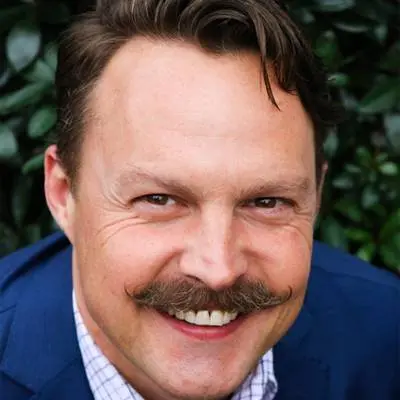
Clint Stonebraker
Owner & Executive Director
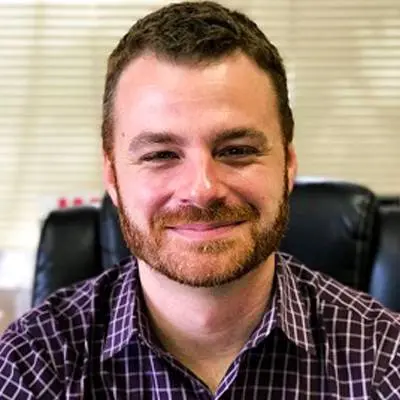
Matt Meyer
Program Director

Bethany Crevar
Administrator
Dr. Steven Jaffe
Clinical Director
Rehab.com regularly reviews this listing for accuracy but changes may occur between updates. For the most up-to-date information, please contact The Insight Program.
Contact Information


1139 Senoia Road
Tyrone, GA 30290
Sponsored Helpline

