















































































































About SCADD Lebanon Pines
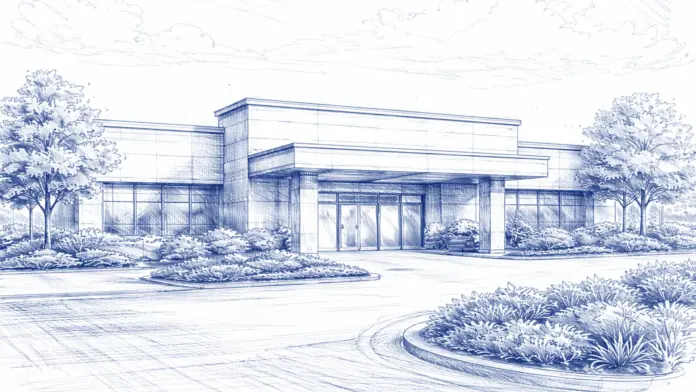
SCADD Lebanon Pines is a men’s residential recovery program in Lebanon, Connecticut. They serve men with substance use and co-occurring mental health disorders. This facility sits on a 56 acre campus in the southeastern region of Connecticut. They’re well equipped with modern amenities that enhance comfort during recovery. The facility provides a structured and supportive recovery environment that fosters healthy growth.
SCADD Lebanon Pines is a drug and alcohol rehab facility for men. They are a residential facility located in Lebanon, Connecticut, on a beautiful 56 acre campus. They treat men for substance use disorder and alcohol use disorder. They provide medication management to people who need prescription drugs to ease the pain of withdrawal. They take private insurance as well as government grants.
The organization has been around since 1966, and they are staffed with a team of experienced mental health professionals. Staff are trained in both social work and mental health.
Admission is by referral, but they accept all referrals. Many people who receive treatment at the facility are referred by state agencies.
Their treatment program provides work therapy. You’ll learn a new skill and have daily responsibilities. You will live in one of the rooms at the facility, and you will be assigned chores to do. You may also attend vocational training.
They focus on the psychosocial aspects of recovery. This means you will have group therapy every day. You will rely on your peers to keep you coming to meetings and to stay sober. They have onsite 12 Step recovery meetings. All meetings are led by a trained therapist. In addition to regular therapy, you will have educational meetings about the effects of drugs on your ability to make decisions.
They offer a thorough discharge plan. This will include helping you find a job and housing. They will also help you locate community meetings and sober activities.
Facility Overview
 20
20  91+
91+ Latest Reviews



Rehab Score
 Our Methodology


Location
Other Forms of Payment
Private insurance refers to any kind of healthcare coverage that isn't from the state or federal government. This includes individual and family plans offered by an employer or purchased from the Insurance Marketplace. Every plan will have different requirements and out of pocket costs so be sure to get the full details before you start treatment.
Self-pay involves paying for treatment out of your own pocket. You can use savings or credit, get a personal loan, or receive help from family and friends to fund your treatment. If you don't have insurance or your insurance plan doesn't cover a specific program, self-pay can help ensure you still get the care you need.
Medicaid is a state based program that helps lower-income individuals and families pay for healthcare. Medicaid covers addiction treatment so those enrolled can use their coverage to pay for rehab. When a program accepts Medicaid the client often pays very little or nothing out of their own pocket.
Addiction Treatments
Levels of Care
Outpatient rehabs offer a wide variety of therapeutic programs to address clients' unique and evolving needs. They are generally most effective for clients who have completed inpatient treatment and are medically stable. Most outpatient treatment centers prioritize addiction counseling and recovery-focused life skills training. Many also provide medication assisted treatment (MAT) for clients in alcohol and opioid recovery. Evening, night, and weekend sessions are commonly offered to accommodate clients' schedules.
Intensive outpatient programs (IOP) offer robust support for clients who are at an elevated risk of relapse, including those in early recovery and those in crisis. Clients in intensive outpatient treatment typically receive between nine and 20 hours of service per week, with the intensity and frequency of treatment decreasing as clients stabilize. The services provided in these programs vary, but generally include addiction counseling, recovery-focused life skills training, medication assisted treatment (MAT), and holistic therapies.
Rehab aftercare programs promote clients' long-term sobriety through a suite of services designed to provide a complete continuum of care. Drug rehab aftercare typically begins as soon as patients exit inpatient care and often includes formal outpatient treatment. Clients who no longer require outpatient counseling, education, or other treatment generally continue to receive rehab aftercare services, such as peer coaching, career counseling, or 12 step program induction. Clients typically develop their program in collaboration with their case manager.
At times during the addiction treatment process, medical professionals must provide 24-hour clinical care in Connecticut. The processes are medically supervised due to the potential dangers of withdrawal symptoms. Staff often prescribe medications to manage these symptoms and curb cravings.
Typically seen as a first step in the recovery process, medically assisted detox generally takes place in an inpatient setting under the 24/7 supervision of licensed medical professionals. It is considered the safest way to remove addictive drugs from your body. The length of a medical detox program is individualized, but it often takes around 5-7 days.
Clinical Services
Group therapy offers insight into behavioral patterns and triggers. This can lead to a better understanding of your addictive behaviors, which in turn promotes sobriety and sustainable recovery. You can share your experiences and strategies you use to overcome triggers and learn new strategies from your peers.
Individual therapy uses evidence based treatment modalities to focus on building a strong therapeutic alliance between yourself and your therapist. This crucial relationship fosters trust that enables you to discuss your struggles and work together to develop effective strategies to overcome addiction.
During couples therapy in Connecticut, you will learn skills such as problem solving, conflict resolution, and anger management. The goal is to develop techniques that will help you successfully navigate relationship challenges.
Family therapy sessions work to strengthen the family unit by addressing addiction related conflicts and fostering support between family members. Your therapist guides family members in developing effective communication strategies and creating an environment that aids in your loved one's recovery.
Staff & Accreditations
Staff
Stacey L. Lawton
CEO
Maria T. Sullivan
COO
Alan Aleia
CFO
Kathryn DeMars
Chief Compliance Officer
Jennifer Chadukiewicz
Chief Strategy Officer
Dr. Lawrence Peacock, MD
Chief Medical Officer
Accreditations

The Commission on Accreditation of Rehabilitation Facilities (CARF) is a non-profit organization that specifically accredits rehab organizations. Founded in 1966, CARF's, mission is to help service providers like rehab facilities maintain high standards of care.
CARF Accreditation: Yes

LegitScript has reviewed SCADD Lebanon Pines as part of their certification program, and has determined that it meets the LegitScript standards for legality, safety and transparency.
LegitScript verified in
Rehab.com regularly reviews this listing for accuracy but changes may occur between updates. For the most up-to-date information, please contact SCADD Lebanon Pines.
Contact Information


37 Camp Mooween Road
Lebanon, CT 06249
Sponsored Helpline


