


























































































Some people will say it was a hard program to accomplish, and maybe it was. For me, it is not that hard if you are ready to change and turn your life around, to be able to surrender to people who is knowledgeable on the matter to get you out of all this
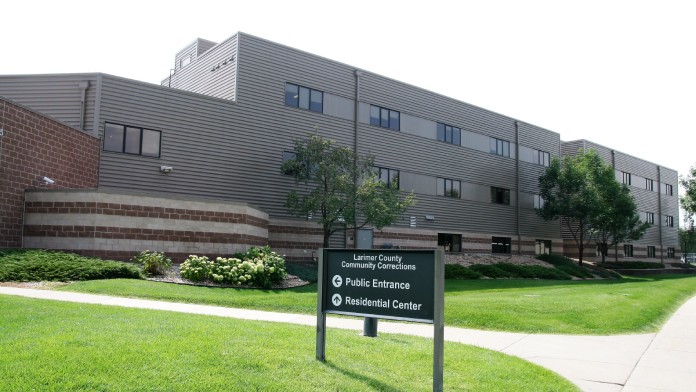
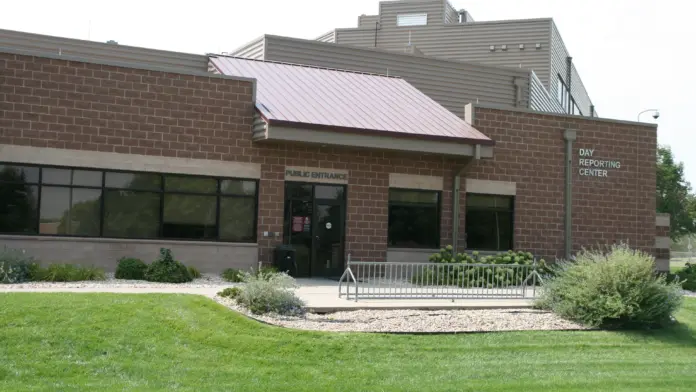
About Larimer County Community Corrections
This highly structured setting is designed for people who run the risk of being locked up without treatment. While improving treatment adherence and involvement in criminal justice supervision, the program’s primary objective is to lower drug use and criminal activity.
Their men’s intensive residential treatment program lasts 90 days and is designed for those who need a long term solution. This program addresses trauma substance abuse and criminogenic risk reduction. This encompasses former inmates on parole and probation and those departing the Department of Corrections. They also serve those serving community corrections sentences.
The program uses a focused curriculum that takes into account the particular difficulties that participants face. They treat individuals with severe substance abuse problems and chronic mental illness through their residential dual diagnosis treatment program. The curriculum is designed to meet the needs of people returning to their communities or moving to a lower level of care.
After fulfilling the program’s eligibility requirements, clients undergo a thorough evaluation process that determines their placement suitability. This is done through mental health screenings and the adult standardized offender assessment. Every program aims to meet participants at their current stage of recovery. In order to lower criminal activity and promote long term recovery they provide a multitude of tools and assistance.
Fact checked and written by:
Sehar Uddin
Edited by:
Peter Lee, PhD
Latest Reviews
Excellent rehabilitation. Better than jail.
Good stepping stone to prison.
I am currently a resident here. Sometimes it feels the the world is crumbling down on you in here but the people that work here are genuinely trying to help you succeed. I just wanted to say thank you

Rehab Score
 Our Methodology
Scoring is assigned by a proprietary system which helps surface key metrics that determine quality. The 10-point scale factors in categories such as operations, customer satisfaction, and trust metrics. Read Full Methodology

6.7 / 10
Gallery
Other Forms of Payment
Private insurance refers to any kind of healthcare coverage that isn't from the state or federal government. This includes individual and family plans offered by an employer or purchased from the Insurance Marketplace. Every plan will have different requirements and out of pocket costs so be sure to get the full details before you start treatment.
Self-pay involves paying for treatment out of your own pocket. You can use savings or credit, get a personal loan, or receive help from family and friends to fund your treatment. If you don't have insurance or your insurance plan doesn't cover a specific program, self-pay can help ensure you still get the care you need.
Financial aid can take many forms. Centers may have grants or scholarships available to clients who meet eligibility requirements. Programs that receive SAMHSA grants may have financial aid available for those who need treatment as well. Grants and scholarships can help you pai for treatment without having to repay.
Addiction Treatments
Levels of Care
Outpatient Programs (OP) are for those seeking mental rehab or drug rehab, but who also stay at home every night. The main difference between outpatient treatment (OP) and intensive outpatient treatment (IOP) lies in the amount of hours the patient spends at the facility. Most of the time an outpatient program is designed for someone who has completed an inpatient stay and is looking to continue their growth in recovery. Outpatient is not meant to be the starting point, it is commonly referred to as aftercare.
Residential treatment programs are those that offer housing and meals in addition to substance abuse treatment. Rehab facilities that offer residential treatment allow patients to focus solely on recovery, in an environment totally separate from their lives. Some rehab centers specialize in short-term residential treatment (a few days to a week or two), while others solely provide treatment on a long-term basis (several weeks to months). Some offer both, and tailor treatment to the patient's individual requirements.
Clients engaged in a rehab aftercare program have completed active addiction treatment and are receiving services designed to promote their sustained sobriety. Drug rehab aftercare typically encompasses a wide variety of medical, mental health, and social services meant to facilitate clients' reintegration into their home, workplace, and community. Clients typically collaborate with their case manager and/or recovery team to identify and access the services they need, often including peer coaching, career counseling, and care referrals.
Treatments
The goal of treatment for alcoholism is abstinence. Those with poor social support, poor motivation, or psychiatric disorders tend to relapse within a few years of treatment. For these people, success is measured by longer periods of abstinence, reduced use of alcohol, better health, and improved social functioning. Recovery and Maintenance are usually based on 12 step programs and AA meetings.
Professional services are often necessary to recover from addiction. Drug rehab in Colorado provides the expert services needed to address the complex issues of addiction and help individuals start their recovery journey.
Many of those suffering from addiction also suffer from mental or emotional illnesses like schizophrenia, bipolar disorder, depression, or anxiety disorders. Rehab and other substance abuse facilities treating those with a dual diagnosis or co-occurring disorder administer psychiatric treatment to address the person's mental health issue in addition to drug and alcohol rehabilitation.
Opioid rehabs specialize in supporting those recovering from opioid addiction. They treat those suffering from addiction to illegal opioids like heroin, as well as prescription drugs like oxycodone. These centers typically combine both physical as well as mental and emotional support to help stop addiction. Physical support often includes medical detox and subsequent medical support (including medication), and mental support includes in-depth therapy to address the underlying causes of addiction.
Substance rehabs focus on helping individuals recover from substance abuse, including alcohol and drug addiction (both illegal and prescription drugs). They often include the opportunity to engage in both individual as well as group therapy.
Programs
Adult rehab programs include therapies tailored to each client's specific needs, goals, and recovery progress. They are tailored to the specific challenges adult clients may face, including family and work pressures and commitments. From inpatient and residential treatment to various levels of outpatient services, there are many options available. Some facilities also help adults work through co-occurring conditions, like anxiety, that can accompany addiction.
Young adulthood can be an exciting, yet difficult, time of transition. Individuals in their late teens to mid-20s face unique stressors related to school, jobs, families, and social circles, which can lead to a rise in substance use. Rehab centers with dedicated young adult programs will include activities and amenities that cater to this age group, with an emphasis on specialized counseling, peer socialization, and ongoing aftercare.
Recovery is most successful when clients feel accepted and validated by their peers and treatment providers. Facilities that offer LGBTQ-inclusive programming are committed to creating a safe space where everyone can grow and recover without fear of judgment or discrimination. They will have dedicated policies in place to create a safe and supportive environment that fosters free expression.
Men face specific challenges and concerns when seeking addiction treatment. Gender-specific recovery programs help them tackle these issues head-on in an environment that's focused, targeted, and distraction-free. It also gives them the opportunity to connect with and learn from other men who have been through a similar journey and can offer support for the next step.
Rehabs for women provide a safe, nurturing space for female clients to heal. These treatment programs consider the specific obstacles that women can face during recovery and place a special emphasis on mental, social, physical, and reproductive health. They explore how each woman's experience has shaped the trajectory of their substance use, addressing issues such as sexual abuse and past trauma.
Clinical Services
Group therapy is any therapeutic work that happens in a group (not one-on-one). There are a number of different group therapy modalities, including support groups, experiential therapy, psycho-education, and more. Group therapy involves treatment as well as processing interaction between group members.
In individual therapy, a patient meets one-on-one with a trained psychologist or counselor. Therapy is a pivotal part of effective substance abuse treatment, as it often covers root causes of addiction, including challenges faced by the patient in their social, family, and work/school life.
The main principle of cognitive behavioral therapy (CBT) in Colorado is that substance use disorders are based on faulty thinking and behavior patterns. The goal of this treatment is to help the individual learn better ways of coping with challenges, which will lead to changes in thinking and behavior.
Dialectical behavior therapy is skills based and present oriented. You'll be asked to keep a diary of emotions and related behaviors and practice the skills you've been learning between sessions. The focus of skills development is on mindfulness, distress tolerance, emotion regulation, and interpersonal effectiveness.
Amenities
-
 Residential Setting
 -
 Private Rooms
Rehab.com regularly reviews this listing for accuracy but changes may occur between updates. For the most up-to-date information, please contact Larimer County Community Corrections.
Contact Information

2255 Midpoint Drive
Fort Collins, CO 80525
Get Help Now - 970-364-8382
Sponsored Helpline
Sponsored Helpline


