






























































































This company dodges federal and state minimum wage laws. Employees are paid a salary (not enough to live on) of 14k a year. This is the same way that T-Bell dodges the minimum wage for their tomato pickers, but not for their drive-thru employees. Your child's counselor i ...
About Insight Program
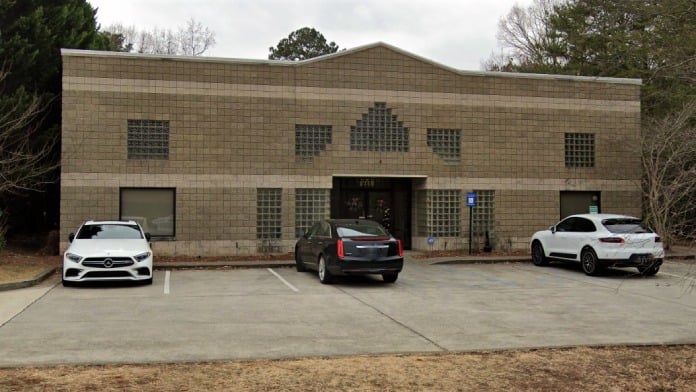
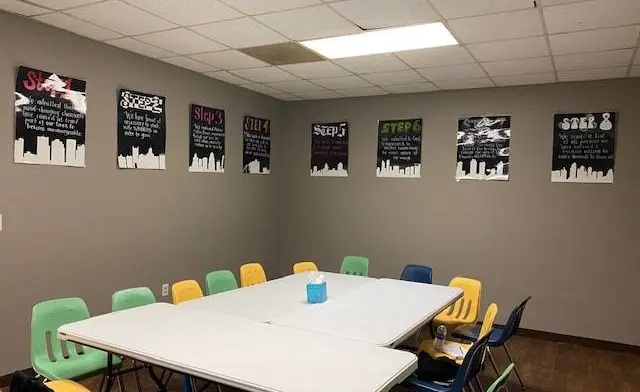
This facility offers intensive and general outpatient programs for teens and young adults. They provide weekly 12-step groups, parent support groups as well as weekly sober social events on Friday and Saturday nights. If you aren’t sure if you or your teen needs this program, they offer free evaluations for 13-25 year olds.
Their program is 12-step based and lasts for 6-12 weeks. During the programs, young people will join in group therapy as well as support group activities. They also partner with Step Two Recovery Center which is a 45-day residential program for teens and young adults.
I like that everyone who completes an Insight program will be enrolled in a 12-week aftercare program. This program doesn’t cost extra and helps give young people continued support as they transition out of treatment.
Previous clients are very positive. Clients often discuss the confidence and community that Insights gave their teens. Many say that it saved their loved ones’ lives.
Latest Reviews
Excellent program with a practical approach that just works.
Response from the owner1 week ago
We appreciate you highlighting how practical and effective the program was! Thanks for the feedback!
Insight has been life changing for our kid and our family. The culture of caring and accountability that they have fostered helped our teen get and stay sober. Additionally, the parent support group has given us the tools to reclaim our lives after addiction had derailed them. It’s tough to thank the counselors and staff enough.
Response from the owner1 week ago
We are happy to hear of the amazing progress that the program has helped your family walk through. It means a lot to the counselors and staff to hear this kind of feedback. Thank you for leaving us a review!
This place really cares! They do a phenomenal job of making the kids feel loved and keeping them sober. Highly recommend!!
Response from the owner1 week ago
Thank you for the feedback! We appreciate it very much! 
Rehab Score
 Our Methodology
Scoring is assigned by a proprietary system which helps surface key metrics that determine quality. The 10-point scale factors in categories such as operations, customer satisfaction, and trust metrics. Read Full Methodology

7.2 / 10
Gallery
Other Forms of Payment
Private insurance refers to any kind of healthcare coverage that isn't from the state or federal government. This includes individual and family plans offered by an employer or purchased from the Insurance Marketplace. Every plan will have different requirements and out of pocket costs so be sure to get the full details before you start treatment.
Self-pay involves paying for treatment out of your own pocket. You can use savings or credit, get a personal loan, or receive help from family and friends to fund your treatment. If you don't have insurance or your insurance plan doesn't cover a specific program, self-pay can help ensure you still get the care you need.
Addiction Treatments
Levels of Care
Outpatient Programs (OP) are for those seeking mental rehab or drug rehab, but who also stay at home every night. The main difference between outpatient treatment (OP) and intensive outpatient treatment (IOP) lies in the amount of hours the patient spends at the facility. Most of the time an outpatient program is designed for someone who has completed an inpatient stay and is looking to continue their growth in recovery. Outpatient is not meant to be the starting point, it is commonly referred to as aftercare.
Inpatient rehabs feature intensive clinical supervision and a highly structured and supportive environment, meaning they are especially well suited for clients in early recovery and those at risk of relapse. Clients reside at the treatment facility and engage in various therapeutic sessions throughout the day, including addiction counseling and recovery-focused life skills training. Many programs also offer evidence-based complementary therapies, such as meditation and massage.
Intensive Outpatient Programs (IOP) are for those who want or need a very structured treatment program but who also wish to live at home and continue with certain responsibilities (such as work or school). IOP substance abuse treatment programs vary in duration and intensity, and certain outpatient rehab centers will offer individualized treatment programs.
Aftercare, which is sometimes referred to as continuing care or relapse prevention, is a type of structured care meant to help you continue with the progress you've made after completing an addiction treatment program. Most of the time, you'll continue receiving support after a treatment program by partnering with their case managers and staff to identify and access the resources you need to remain sober.
12-step programs are addiction recovery models based on Alcoholics Anonymous (AA). A number of substance abuse programs (including some drug and alcohol rehab centers) use the 12 steps as a basis for treatment. Beginning steps involve admitting powerlessness over the addiction and creating a spiritual basis for recovery. Middle steps including making direct amends to those who've been hurt by the addiction, and the final step is to assist others in addiction recovery in the same way. 12-Step offshoots including Narcotics Anonymous (NA), Cocaine Anonymous (CA), Dual Recovery Anonymous (DRA), Sex and Love Addicts Anonymous (SLAA) and Gamblers Anonymous (GA).
Sober living homes in Georgia offers an alternative to the abrupt change of moving from intensive treatment to an unstructured home environment. Men's and women's sober living homes replicate everyday life situations, but they do so in a sober environment while also reinforcing healthy habits. This reduces the chance of relapse. Individuals who could use extra support after rehab or don't have a stable home environment can benefit from this transitional option.
Treatments
The goal of treatment for alcoholism is abstinence. Those with poor social support, poor motivation, or psychiatric disorders tend to relapse within a few years of treatment. For these people, success is measured by longer periods of abstinence, reduced use of alcohol, better health, and improved social functioning. Recovery and Maintenance are usually based on 12 step programs and AA meetings.
A quality drug rehab in Georgia can help you overcome addiction. This environment is designed to help you address the complex issues contributing to drug dependence. The goal of treatment is to give you the tools you need to make a full recovery.
A combined mental health and substance abuse rehab has the staff and resources available to handle individuals with both mental health and substance abuse issues. It can be challenging to determine where a specific symptom stems from (a mental health issue or an issue related to substance abuse), so mental health and substance abuse professionals are helpful in detangling symptoms and keeping treatment on track.
Opioid rehabs specialize in supporting those recovering from opioid addiction. They treat those suffering from addiction to illegal opioids like heroin, as well as prescription drugs like oxycodone. These centers typically combine both physical as well as mental and emotional support to help stop addiction. Physical support often includes medical detox and subsequent medical support (including medication), and mental support includes in-depth therapy to address the underlying causes of addiction.
Programs
Young adulthood can be an exciting, yet difficult, time of transition. Individuals in their late teens to mid-20s face unique stressors related to school, jobs, families, and social circles, which can lead to a rise in substance use. Rehab centers with dedicated young adult programs will include activities and amenities that cater to this age group, with an emphasis on specialized counseling, peer socialization, and ongoing aftercare.
Clinical Services
People in Georgia find that group therapy offers a place to share responsibility for each other's recovery. This helps foster a collective commitment to sobriety, which increases your potential for success and creates a network of mutual support that often follows into personal friendships.
Staff & Accreditations
Staff
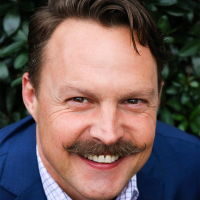
Clint Stonebraker
Owner & Executive Director
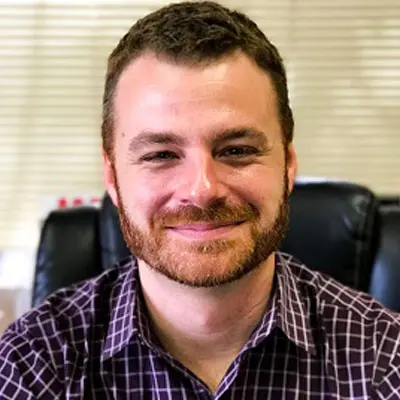
Matt Meyer, CADC, CAC
Program Director
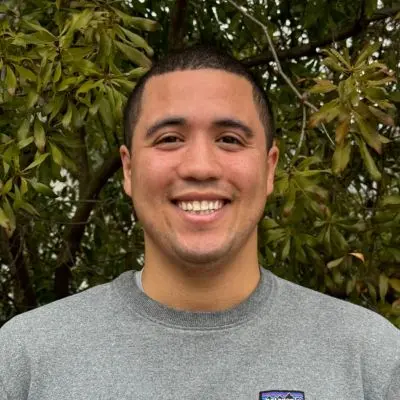
Nick Crevar, CADC
Senior Counselor & Intake Coordinator
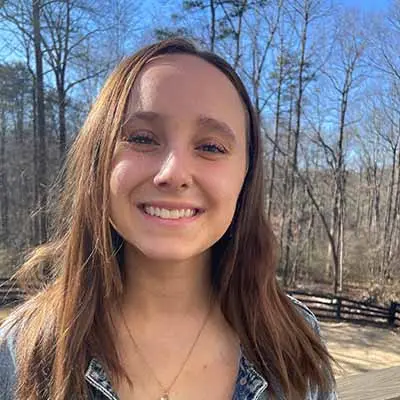
Jacqueline Padgett, CAC I
Group Counselor
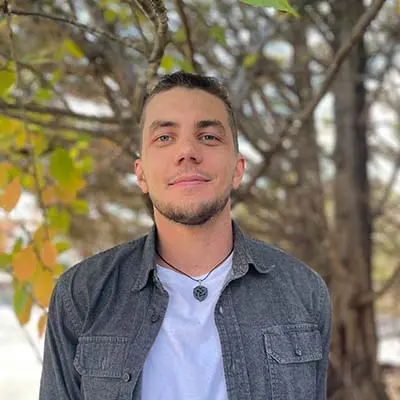
Sam Ake
Peer Support Counselor
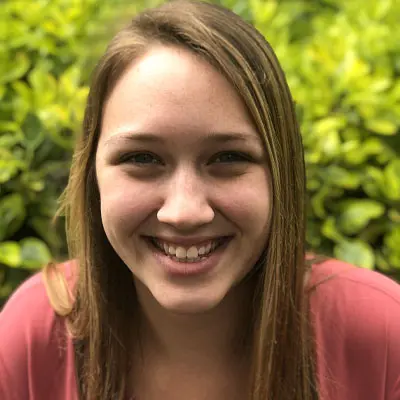
Bethany Crevar, CADC
Administrator
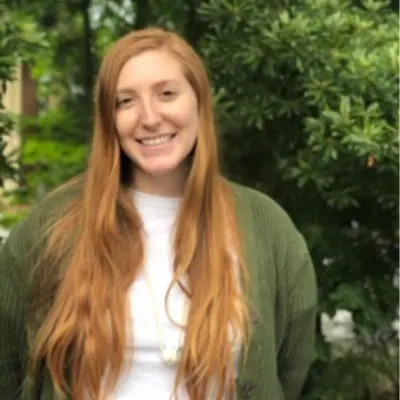
Gabby Breiten, CAC II, CADC, LMSW
Administrative Assistant & Peer Support Counselor
Accreditations

The Substance Abuse and Mental Health Services Administration (SAMHSA) is a branch of the U.S. Department of Health and Human Services. Established in 1992 by congress, SAMHSA's mission is to reduce the impact of substance abuse and mental illness on American's communities.
SAMHSA Listed: Yes

State Licenses are permits issued by government agencies that allow rehab organizations to conduct business legally within a certain geographical area. Typically, the kind of program a rehab facility offers, along with its physical location, determines which licenses are required to operate legally.
State License: Georgia
Rehab.com regularly reviews this listing for accuracy but changes may occur between updates. For the most up-to-date information, please contact Insight Program.
Contact Information

5110 Old Ellis Point
Roswell GA, 30076
Get Help Now - 470-866-4553
Sponsored Helpline
Sponsored Helpline


