Sponsored Helpline










Recovery Unplugged Nashville Drug & Alcohol Rehab
1
Top 10 Rehab Centers In Brentwood




















































































Explore the top rated Hot Springs drug rehabs with confidence. We've analyzed each of the 25 addiction treatment centers in Hot Springs, AR for patient reviews, clinical credentials, transparency, and brand reputation to identify the best rehab programs.
Filter by inpatient, outpatient, detox, health insurance, specialty program and more to quickly find the best drug and alcohol rehab in Hot Springs.Our Methodology
 Rehab Score
Our Rehab Score is designed to make it easier for you to find the best treatment centers. We combine overall ratings with recent feedback to create a score that reflects a center's quality right now.
.
Rehab Score
Our Rehab Score is designed to make it easier for you to find the best treatment centers. We combine overall ratings with recent feedback to create a score that reflects a center's quality right now.
.
| Name / Address / Rating | Description | Treatments / Programs / Payment Options | Review / Contact | Images |
|---|---|---|---|---|
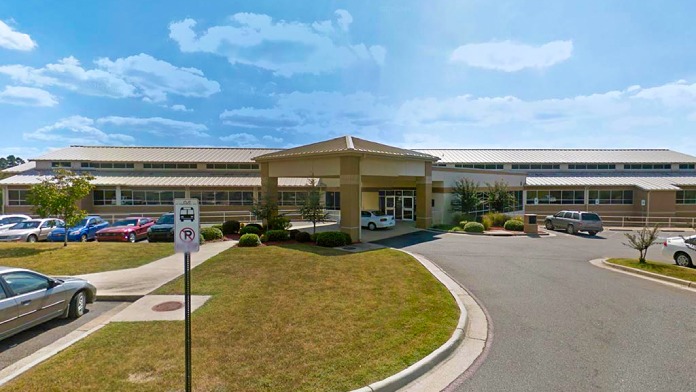
Hot Springs, AR | Ouachita Behavioral Health and Wellness, in Hot Springs, Arkansas, is an outpatient alcohol and drug rehab for adults and teens. Services include medication assisted treatment (MAT) and targeted programs for adolescents, those transitioning from homelessness, and individuals dealing with the criminal justice system. Outpatient treatment includes | Treatments Programs Payment Options  Alcoholism Alcoholism Drug Addiction Drug Addiction Mental Health Mental Health Opioid Addiction Opioid Addiction Substance Abuse Substance Abuse  Adult Program Adult Program Young Adult Program Young Adult Program LGBTQ Program LGBTQ Program Teen Program Teen Program Child Program Child Program Seniors Program Seniors Program  Private Insurance Private Insurance Self-Pay Options Self-Pay Options Financial Aid Financial Aid Sliding Scale Payment Assistance Sliding Scale Payment Assistance Medicare Medicare Medicaid Medicaid Military Insurance Military Insurance | 
I took my son to his doctor appointment when he had the flu in January 2026. He took his annual mental screening for teenagers, and I was baffled when the results came back that he was extremely depressed and even considering a "way out" that it hurts just to think of. I asked him why he had never told me or his mother any of it, and he said he doesn't know. I immediately asked the doctor for help, and he gave us this place as a personal reference. We got a doctor's note, drove over, and signed him up. Within weeks, the worst of it was gone, within just a few months' time, the worst thing that still bothers him is an anxiety problem related to how he overthinks everything and typical teenager troubles. Ever since we came here he's been opening up a lot more, being much more active, and actually coming out of his room more than a few times a day. It was so obvious before, but I didn't think about it because he always said it was "fine." He finally laughs again, talks again, and acts like a kid again. The teenage attitude is back, but honestly, I prefer it over the alternatives any day. He thinks very highly of his therapist, saying really great things about her. He says she actually listens, doesn't judge him, and gives him great help. He said when he talks to her it doesn't feel like hes talking to a doctor whose job is to help, instead it feels like hes talking to another human who actually understands him. I can't remember her name, but my son refers to her as "Mrs. Cristal." Me and his mother have met her, and we both think fondly of her as well. I can't recommend this place enough. Huge thanks to the great people that work there and Mrs. Cristal!
GEORGE WALKER
3 weeks ago

Great place,very clean and friendly staff. I would recommend them to my family and friends.
Becky Greathouse
1 month ago

Mrs Cheryl literally did the most when it came to helping obtain my medical records and diagnosis paperwork. I recently moved to Springdale Ar from Hot Springs and she reassured me this matter would be resolved soon. As a patient I understand how busy this facility can be and the front desk clerks do the MOST!!!👏🏼🙌💯. Mrs Cheryl went above and beyond to make sure all questions were answered promptly and professionally. She noticed I had called several times over the past few days to obtain my records and made sure that multiple supervisors knew that I was trying to acquire them so the right department would make sure it was taken care of. With that being said Mrs. Cheryl I give you a 10/10. Also my therapist Ashlee Fason has done a terrific job making sure I’m squared away over the past 2 and a half years. Kudos to these two who literally do the most even when it’s not asked for! 🫶🏼
Evan Whitney
1 month ago
| 
|
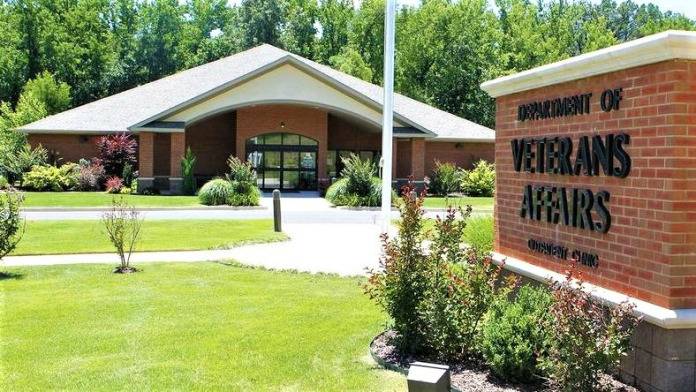
Hot Springs, AR | Central Arkansas Veterans Healthcare System - Hot Springs Outpatient Clinic is located in Hot Springs, Arkansas. They provide outpatient primary and mental health care for military members, veterans and their families. You can visit in person or log in online to attend a telehealth visit. They accept military benefits and most private insurance pla | Treatments Programs Payment Options AlcoholismDrug AddictionMental Health and Substance AbuseOpioid Addiction Adult ProgramYoung Adult ProgramLGBTQ Program Military Program Private InsuranceSelf-Pay OptionsMedicareMedicaidMilitary Insurance Military Program Private InsuranceSelf-Pay OptionsMedicareMedicaidMilitary Insurance | 
Polite and friendly professional people. Punctual and well trained
Mike Rowland
2 weeks ago

Great customer service at check in. Dr Dill is wonderful, smart, extremely knowledgeable and mannerism is exceptional. He had really helped my husband. His nurse is great also.
Cynthia Shrum
1 month ago

Very helpful and always efficient
Salvatore LaRosa
1 month ago
| 
|
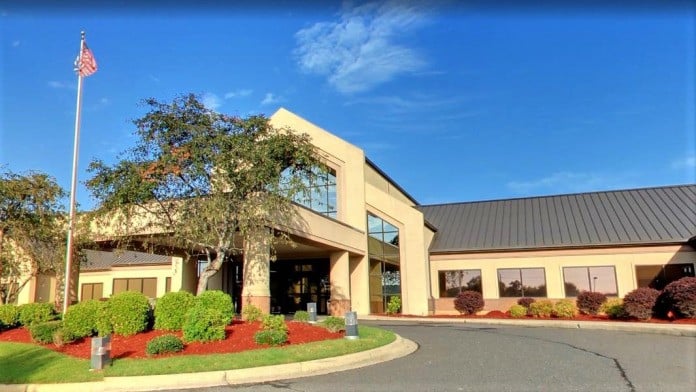
Hot Springs, AR | Living Hope Southeast, in Hot Springs, Arkansas, provides outpatient behavioral health and addiction recovery treatment to adults, children, and adolescents. They offer flexible scheduling, dual diagnosis care, medication assisted treatment (MAT), school based services, and aftercare support. Their outpatient programs aim to address addiction issu | Treatments Payment Options  Dual DiagnosisMental HealthOpioid Addiction MedicaidPrivate insuranceSelf-Pay OptionsFinancial AidMilitary InsuranceMedicarePrivate InsuranceSliding Scale Payment Assistance+1 Dual DiagnosisMental HealthOpioid Addiction MedicaidPrivate insuranceSelf-Pay OptionsFinancial AidMilitary InsuranceMedicarePrivate InsuranceSliding Scale Payment Assistance+1 | 
The staff is kind and understanding. Great location.
7 years ago

Love all the staff is kind and understanding
Ashley Wilchie
7 years ago
| 
|
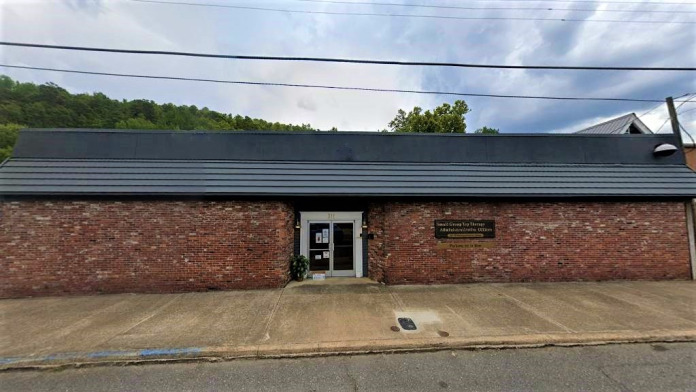
Hot Springs, AR | Small Group Therapy, a division of Counseling Clinic, is an outpatient counseling provider in Hot Springs, Arkansas. The clinic centers its care model on small group formats, offering counseling services that address addiction alongside everyday mental health challenges. Their approach is built on the belief that shared experience and peer connecti | Treatments Programs Payment Options AlcoholismDrug AddictionDual DiagnosisMental Health and Substance AbuseOpioid Addiction Adult ProgramYoung Adult Program Self-Pay OptionsPrivate insuranceMedicaidMedicareMilitary Insurance | 
My relative has done a 180 since being here. The names Trena, Sherry and others are to be thanked for this. So, thank you.
L B
2 years ago

Helped me it's been twelve years since i been to Hot Springs. I'm happy with my new life. Thanks!
Heather Henderson
4 years ago
It is a very good place for you to bring some family member with mental problems, they will take care of him and when he comes back, you will feel that he is a new person
7 years ago
| 
|
Hot Springs, AR | Harbor House Outpatient Clinic, in Hot Springs, Arkansas, provides intensive outpatient programs (IOPs) and general outpatient addiction treatment and behavioral health services for adults. Aftercare support and services to help participants transition to independent living are included. Outpatient care includes assessments; individual, group, and | Treatments Programs Payment Options AlcoholismDrug AddictionDual DiagnosisMental Health and Substance AbuseOpioid Addiction Adult ProgramYoung Adult Program Self-Pay OptionsPrivate insuranceMedicaidMedicareMilitary Insurance | 
My husband goes to this place and he loves it i got myself in now amd we love it best place ever and very kind amd works with ur problems Thank GOD we found it IT IS A TRUE BLESSING THANK U GUYS.
Malynda Meriwether
6 years ago

I had been going to my home for a long time for my meds and I found out hotsprings had a place so I switched and im so glad i did everyone is so welcoming and actually listen to you its great, and thier waiting room is amzing it has inspirational quotes/sayings all over the walls painted really nice, i would def recommend
Monica Rosenbaum
6 years ago
| |
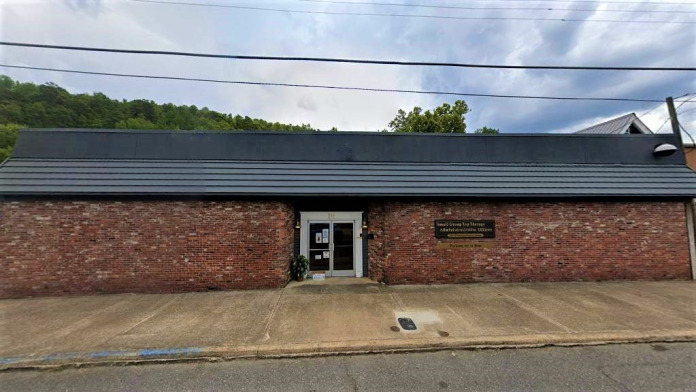
Hot Springs, AR | Small Group Therapy is an outpatient counseling clinic in Hot Springs, Arkansas that offers addiction recovery and other behavioral health services for adults and adolescents. The clinic also provides aftercare and support services. Small Group Therapy Division of Counseling Clinic is an outpatient counseling clinic located in Hot Springs, Arkans | Treatments Programs Payment Options Mental Health Adult ProgramYoung Adult Program MedicaidSelf-Pay OptionsMedicare |
My relative has done a 180 since being here. The names Trena, Sherry and others are to be thanked for this. So, thank you.
L B
2 years ago
Helped me it's been twelve years since i been to Hot Springs. I'm happy with my new life. Thanks!
Heather Henderson
4 years ago
| 
|
Hot Springs, AR | Therapeutic Family Services, in Hot Springs, Arkansas, offers outpatient addiction recovery and behavioral health services to adults and children. The clinic also provides crisis intervention and patient stabilization and care for co-occurring disorders. Translation services for non English speaking clients are available. Outpatient care begins wi | Treatments Programs Payment Options Dual DiagnosisMental Health Adult ProgramYoung Adult Program MedicaidPrivate insuranceSelf-Pay OptionsFinancial AidMedicareMilitary Insurance | 
From mild counseling, medications filled to severe mental health help..
Tiffany martin
1 year ago

I have seen my therapist every 2 weeks for about 4 months now. She and the Dr have made such a positive change in my daily life!!
I wish I had started seeing them years ago!!
Kodiz
4 years ago
| |
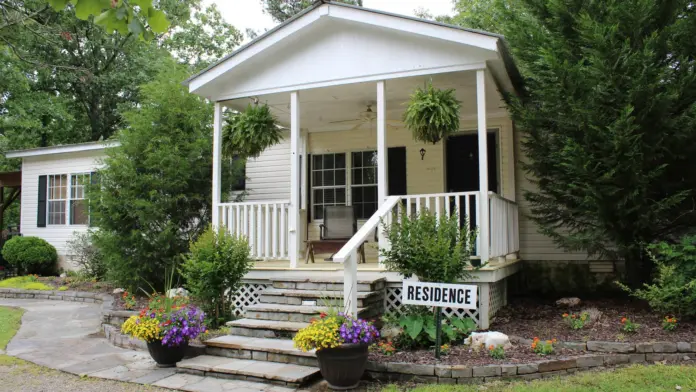
Jessieville, AR | Sozo Recovery, located in Jessieville, Arkansas, Is a faith-based, men's alcohol and drug rehab facility. They begin services with an evaluation to determine the appropriate level of care. Their services range from detoxification to outpatient services. Sozo Recovery uses a clinical approach to helping individuals overcome addiction and related con | Treatments Programs Payment Options AlcoholismDrug AddictionDual DiagnosisMental Health and Substance AbuseOpioid Addiction Adult ProgramYoung Adult Program Private InsuranceSelf-Pay OptionsFinancial Aid | 
Fabulous recovery program. Great staff and comfortable facilities!
Zach Combs
1 year ago

You won’t find a better, more dedicated place to recover from a life destroyed by addiction. The love, understanding, and compassion they pour into each individual is unlike anything I’ve ever experienced anywhere in my life. Combine that with the knowledge and experience of the entire staff and you have something truly special. From the night managers to the director, each staff member is genuine, caring, and there to help make recovery from addiction achievable. They have created something remarkable.
Matthew Ballard
2 years ago

Sozo is the absolute best recovery center, I should know cause I’ve been to 7 different rehabs. Difference between Sozo and the rest is that the staff there really does care about clients, they will go out of their way to help, 5 stars
Maximus Autizmus
2 years ago
| 
5 5 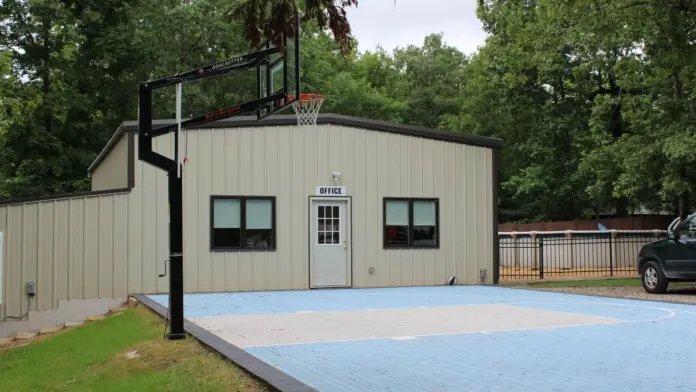
|
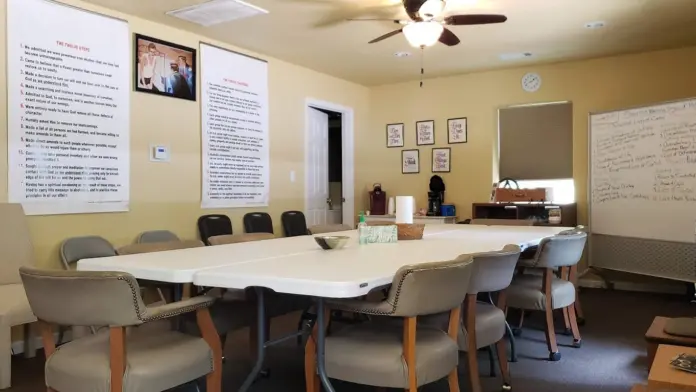
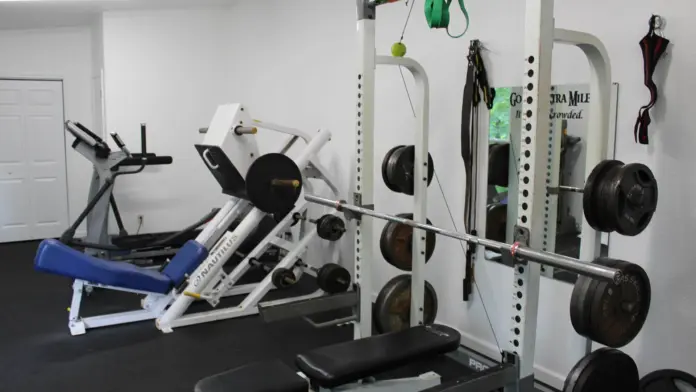
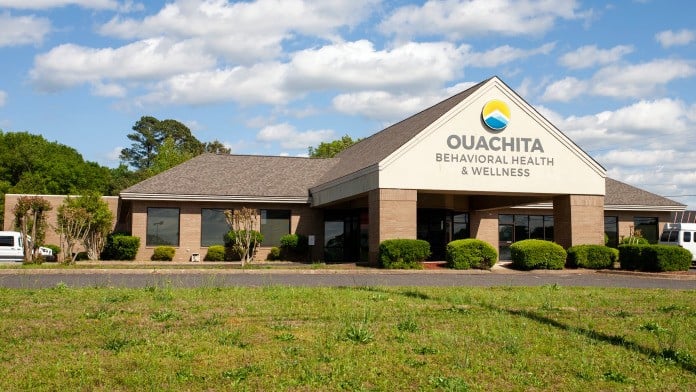
Malvern, AR | Ouachita Behavioral Health and Wellness, located in Malvern, Arkansas, is an alcohol and drug rehab center and behavioral healthcare center for children, teens, young adults, and adults. Their programs are provided in an age-specific format. Ouachita Behavioral Health and Wellness provides a wide variety of intervention and clinical services to the | Treatments Programs Payment Options AlcoholismDrug AddictionMental HealthOpioid AddictionSubstance Abuse Adult ProgramYoung Adult Program MedicaidMedicareSliding Scale Payment AssistanceSelf-Pay OptionsPrivate insuranceMilitary Insurance | 
Ryan is an awesome therapist!
Catherine Chester
2 years ago

I absolutely love my Therapist Mrs. Gessie. Been seeing her for almost 2 years. I will not see anyone but her, she is amazing. Give them a try they have other wonderful therapist as well.
Angela Clark
2 years ago

Great place to receive counseling services!
Susan Smith
3 years ago
| 
|
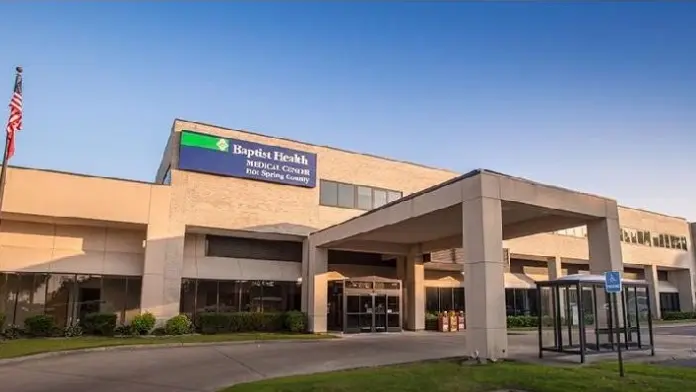
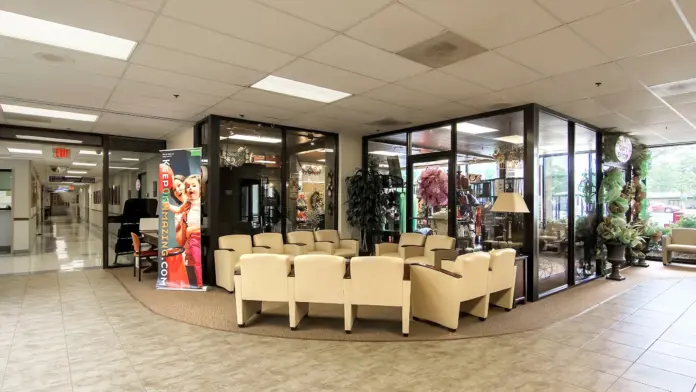
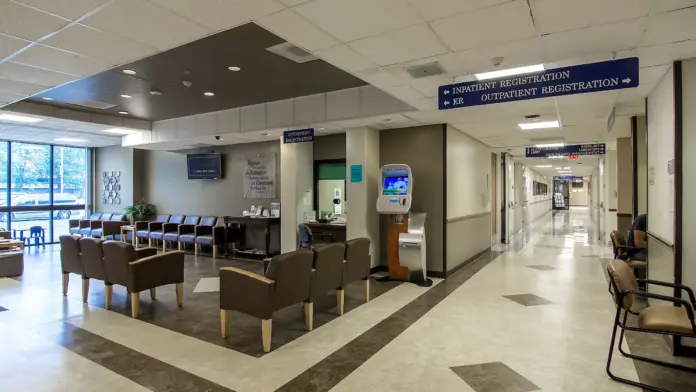
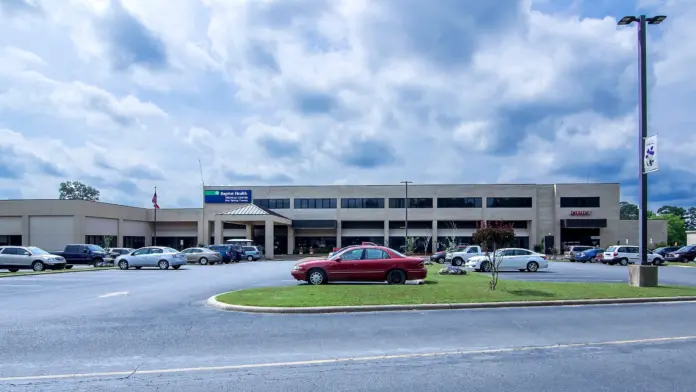
Malvern, AR | Baptist Health Medical Center in Malvern, Arkansas, was opened in 1923. This facility is a level IV trauma center and can stabilize patients suffering from acute substance abuse symptoms. The center accepts insurance coverage, Medicaid and Medicare and offers sliding scale financial assistance. They are a recipient of the AHA’s Stroke Silver Awar | Treatments Programs Payment Options Mental Health Adult ProgramYoung Adult ProgramMilitary Program MedicaidPrivate insuranceSelf-Pay OptionsFinancial AidMedicareMilitary Insurance | 
Very friendly and fast to get my moms ultrasound for her triple A, appointment
Sonya Warner
2 months ago

A special thanks to my nurse, William,
He has the patience of a Saint
The knowledge of a Doctor
The bedside manner of a family member
Dr. Blackburn took the time to listen to me and come up with a plan to make me comfortable, and I will be forever grateful
The entire team from the front desk check-in, the X-ray tech, the benefit clerk, and all the people I was in contact with were outstanding
If I could, I would take the entire team back home to Dallas with me
Talesa
3 months ago

I want to thank the staff and especially nurses Julie and Marilyn. My brother was inpatient Hospice. They were the most caring, nurturing and attentive staff, that I have witnessed in a very long time. The housekeeper’s and kitchen staff were so kind!
I highly recommend to anyone needing inpatient Hospice to this hospital.
Lori Scroggins
11 months ago
| 
5 5 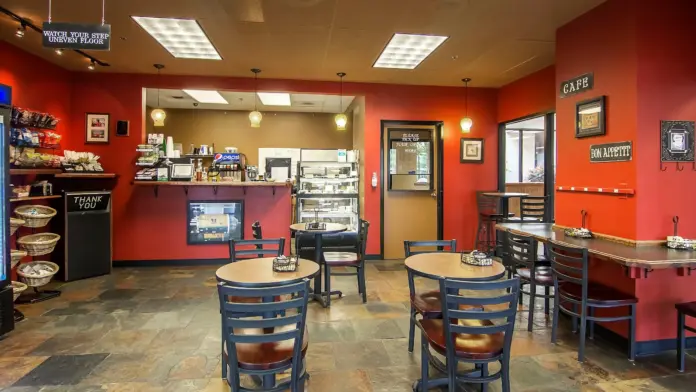
|
Hot Springs National Park, AR | Dayspring of Arkansas is an outpatient addiction treatment and behavioral health provider in Hot Springs National Park, Arkansas offering accessible care for substance use disorders, mental health conditions and co-occurring concerns. The program provides outpatient services, partial hospitalization and medication supported opioid treatment, with t | Treatments Programs Payment Options Dual DiagnosisMental Health Adult ProgramYoung Adult Program MedicaidPrivate insuranceSelf-Pay OptionsSliding Scale Payment AssistanceMedicareMilitary Insurance | 
I always feel heard. Callie really does a thorough and thoughtful job,, and I never feel like a patient. More like a friend. I really appreciate you 🙏
Nicole Vines
3 weeks ago

Callie is amazing! I’ve been seeing her for about 5 months now. I know God sent me to her for a reason! Her guidance and compassion has been such a blessing. Thanks to her my overall health has improved immensely. I have been to several treatment places for help and none of them compare to Callie and this clinic. She is a hero! I would recommend anyone needing this kind of help to come to her!
Claire Brown
2 months ago

Very friendly.the staff doesn't make you feel like an outcast .I feel as if I'm treated important.an their concerns about my health an outcome of my treatment.i would recommend them to anyone that needs help with their personal battles .they make you feel welcome with no worries or shame .I wake up everyday an thanking God that these people are in my life to help me not make me feel bad or ashamed of myself .very important issues for me .
Tabatha Boykin
7 months ago
| |
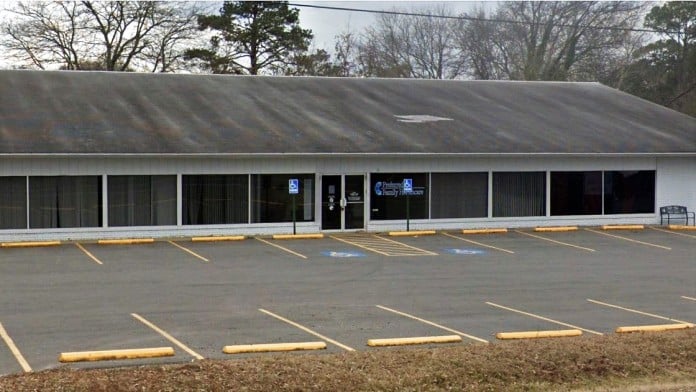
Malvern, AR | Preferred Family Healthcare is an alcohol and drug rehab and behavioral health care center in Malvern, Arkansas that provides services to children, teens, and adults. They also provide crisis services and support for individuals living with intellectual and developmental disabilities. Preferred Family Healthcare accepts most individuals who seek a | Treatments Programs Payment Options Dual DiagnosisMental Health Adult ProgramYoung Adult Program MedicaidPrivate insuranceSelf-Pay OptionsFinancial AidSliding Scale Payment AssistanceMedicareMilitary Insurance | Preferred Family Healthcare has no reviews yet. Leave a review.
| 
|
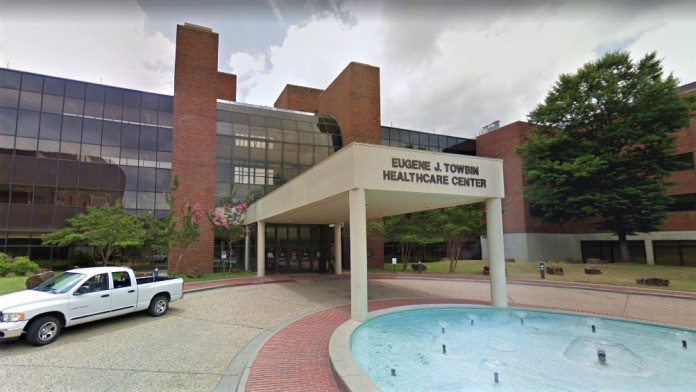
North Little Rock, AR | The Eugene J. Towbin Healthcare Center offers comprehensive mental health and addiction recovery services for military personnel, veterans, and families in North Little Rock, Arkansas. You can get round the clock care tailored to your specific needs and you don’t need an appointment. Their services include medical detox, crisis intervention and p | Treatments Programs Payment Options AlcoholismDrug AddictionDual DiagnosisMental Health and Substance AbuseOpioid AddictionSubstance Abuse Adult ProgramLGBTQ ProgramMilitary ProgramYoung Adult Program Program For Women Self-Pay OptionsFinancial AidMedicaidMilitary InsuranceMedicarePrivate insurancePrivate Insurance Program For Women Self-Pay OptionsFinancial AidMedicaidMilitary InsuranceMedicarePrivate insurancePrivate Insurance | 
Very caring people work here. Professional and knowledgeable. I feel I am being cared for properly and appreciated for my servic3.
John Wilson
2 weeks ago

Andrew and Rosita are top shelf. Excellent care and compassion ❤️
Jeremy Block
3 months ago

Ive been with CAVHS since 1996. Ive always ben taken care of to the highest degree. From me tal health to a knee replacement. Every procedure has been BZ.
Cedric Smith
3 months ago
| 
|
Little Rock, AR | The BCD Hoover Treatment Center is a faith based alcohol and drug rehab center in Little Rock, Arkansas. Their services are community based and culturally specific. You can find care at the inpatient, intensive outpatient, and outpatient levels. BCD – Hoover Treatment Center is a faith-based program in Little Rock, Arkansas that offers resid | Treatments Programs Payment Options AlcoholismDrug AddictionMental Health and Substance AbuseOpioid Addiction Adult ProgramMilitary ProgramYoung Adult Program Self-Pay OptionsFinancial AidSliding Scale Payment AssistanceMedicaidMedicareMilitary Insurance | 
Hoover is a very great program i was there in nov 22th of 2015 and I must say they put me on the right pass in life and im still living a great life and it 2026 so God is good as well as the program
Tyrone Baker
3 months ago

If you sincerely want to change your life ,this place is for you , they will help you get closer to God and give you the tools to work out your recovery journey This is not a cakewalk you do have to apply yourself and want to get clean. This is a great program and they have helped me so much
Deborah Orwosky
2 years ago

Saving lives, I am so grateful these folks are here doing everything they do.
Azalea Thyme
2 years ago
| 
2 
|
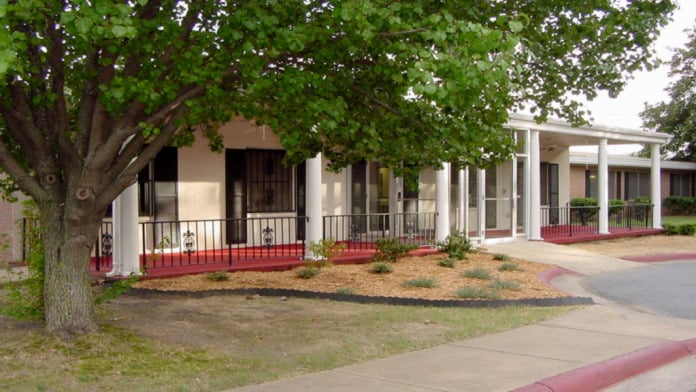
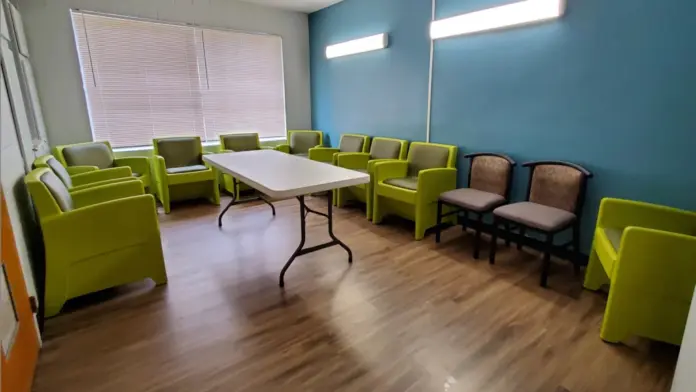
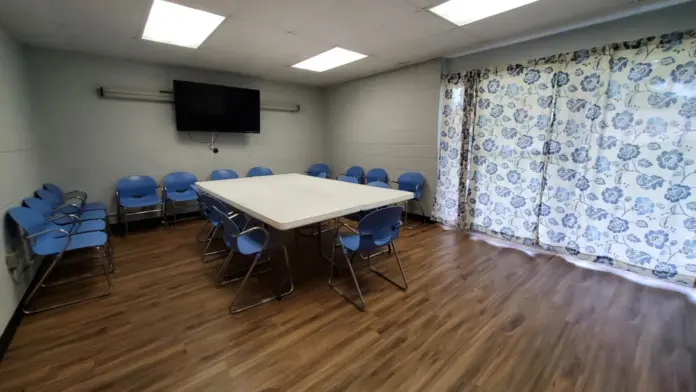
Little Rock, AR | Recover Centers of Arkansas is a nonprofit with several locations for its substance use and mental health treatment centers. One of the centers is located on Father Tribou Street in Little Rock. The Little Rock location has a state funded, 30-day residential treatment program. They also offer men’s sober living, Veterans’ Administration Housing | Treatments Programs Payment Options AlcoholismDrug AddictionMental Health and Substance AbuseOpioid Addiction Adult ProgramYoung Adult ProgramMilitary Program Private InsuranceSelf-Pay OptionsFinancial AidMedicaidMilitary Insurance | 
Ok
Jennie Ward
2 years ago

Been there 2yrs, excellent courses, great counselors, gives you a good structure on living life...
Johnny Peters
3 years ago

Best place for recovery
Lance Stell
3 years ago
| 
6 6 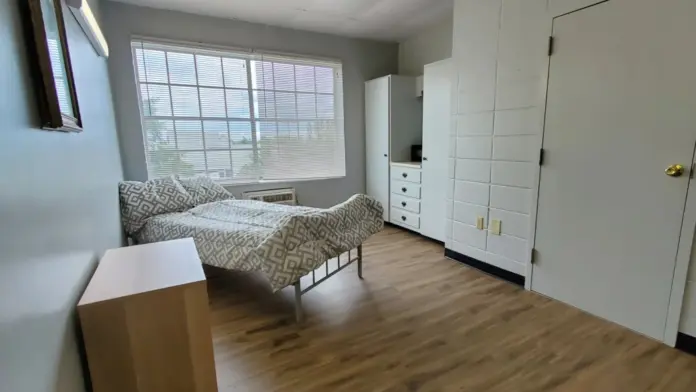
|
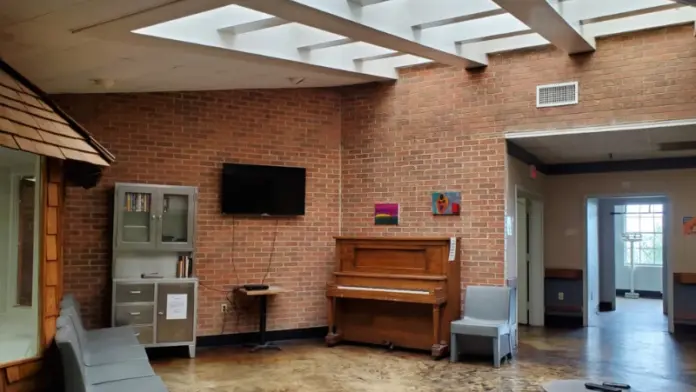
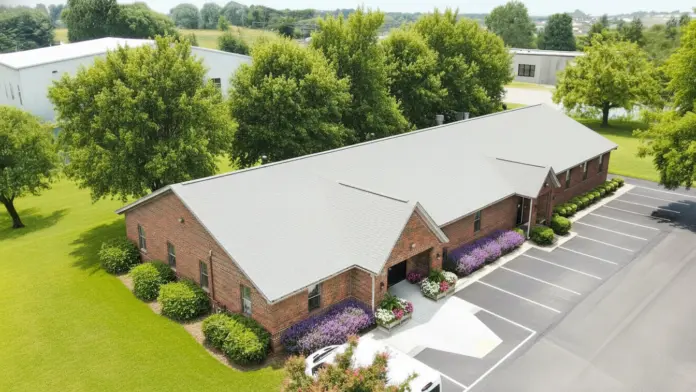
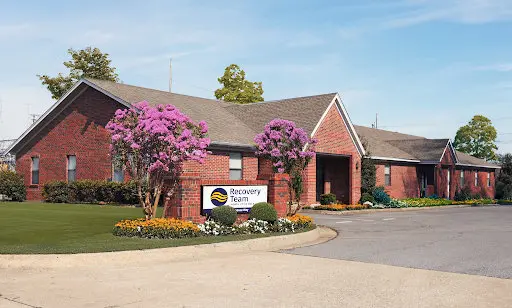
North Little Rock, AR | The Recovery Team, founded 10 years ago, is known as one of the top addiction treatment and mental health rehab centers in the country.
The treatment centers provide therapy and medications (if needed) that get to the root of the issue in a welcoming, comfortable environment. Treatment is covered by insurance and backed by hundreds of positi | Treatments Programs Payment Options AlcoholismDrug AddictionOpioid AddictionSubstance AbuseDual DiagnosisMental HealthMental Health And Substance Abuse Adult Program Program For MenProgram For WomenSeniors Program Private InsuranceSelf-Pay OptionsSliding Scale Payment Assistance Program For MenProgram For WomenSeniors Program Private InsuranceSelf-Pay OptionsSliding Scale Payment Assistance | 
Great place to try and change your life!
R Logan Cheatwood
2 months ago

This place saved my life! I've been to many reheabs but this one by far the best program . Every one was nice and met my needs. Would recommend to anyone out there struggling.
Dallion Jay
2 months ago

Haven NLR Recovery Team PHP is one the most magnificent and effective programs I've been to over all my 30 years of suffering from addiction. The Team and / or Staff have the genuine care and concern for people seeking recovery. I highly recommend this RECOVERY PROGRAM for all those like myself who are suffering from a addiction and are now honest, open minded, and willing to put their lives back together. Thank you Recovery Team of Haven! I would love to be apart of this Team after my year of Sobriety
curtis graves
2 months ago
| 
4 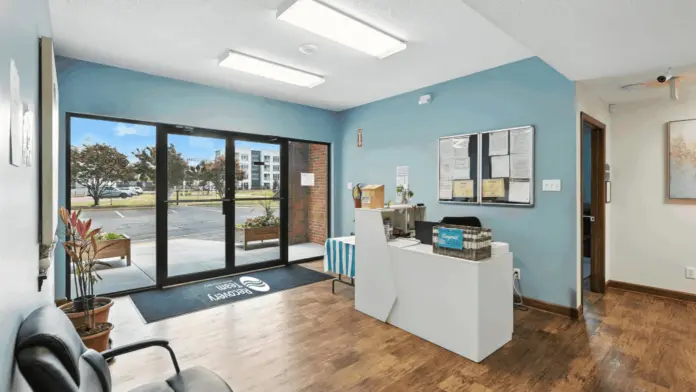
|
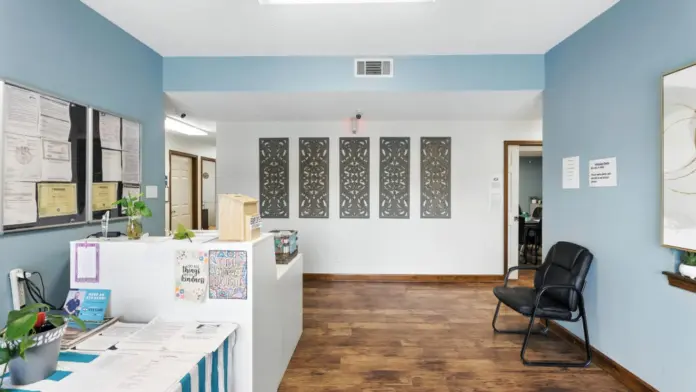
Little Rock, AR  Claimed Claimed | Don’t settle for just any generic treatment center. The Haven Detox has a decade-long reputation for the most advanced addiction and mental health care in the country — with hundreds of positive reviews online. The team is led by nationally recognized treatment professionals. Both programs in Arkansas are built on a foundation of science an | Treatments Programs Payment Options AlcoholismDrug AddictionMental Health And Substance AbuseOpioid AddictionSubstance AbuseMental HealthDual Diagnosis Adult ProgramMilitary ProgramProgram For MenProgram For Women Private InsuranceSelf-Pay OptionsSliding Scale Payment Assistance | 
Staff is amazing!!! Please come here if you looking into rehabs it’s a great place and all the staff is amazing especially the client care will take care of you or any concerns but please come to the haven if you are seeking help they treat you like family!
Tance 870
4 weeks ago

This is my first time in a treatment facility. I was nervous about what it would be like but was ready to beat my addiction to alcohol. I picked the most perfect place. I love it here! I’m learning so much not only about myself but others in here and their lives, struggles and addictions. I’m happy here. Smiling and laughing as my true sober self. Thank you, Haven, for providing my such good care and support.
Patricia Bettis
4 weeks ago

The staff was excellent and took care of my every need. I met life long friends here and I couldn’t speak more highly of the staff. I highly recommend the Haven.
Jessica Heckel
4 weeks ago
| 
9 9 

|
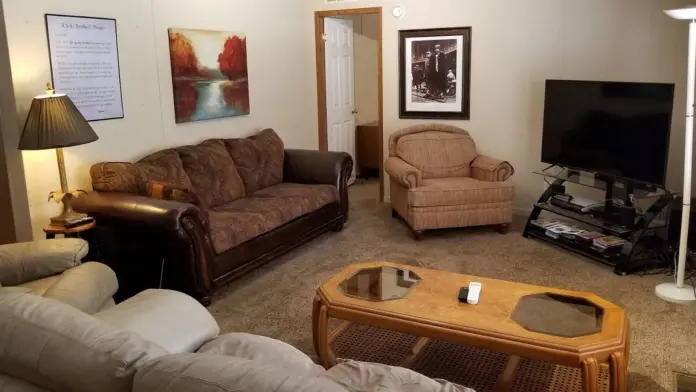
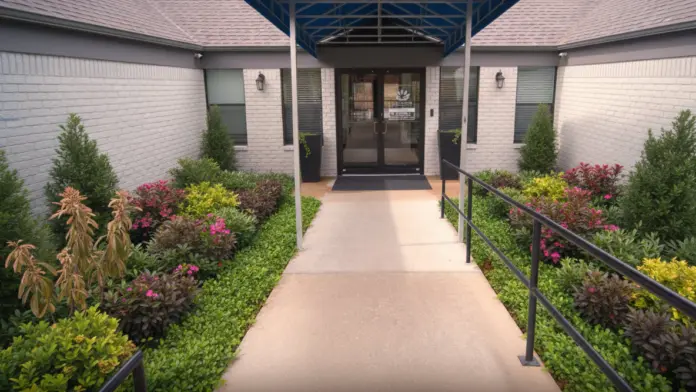
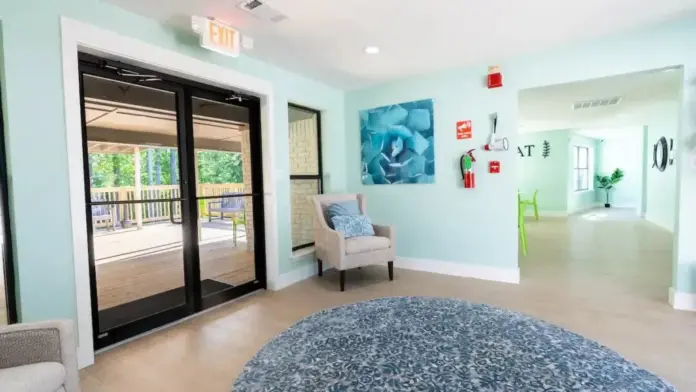
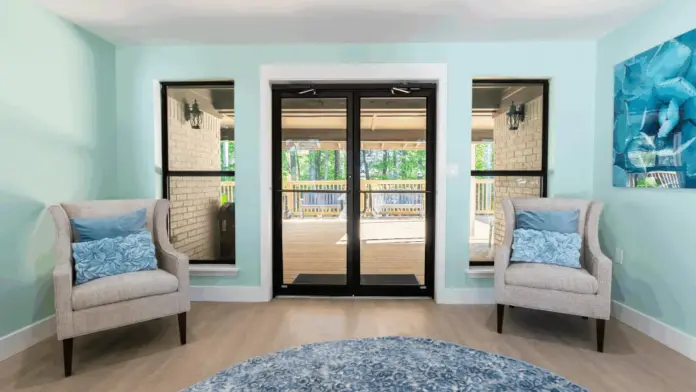
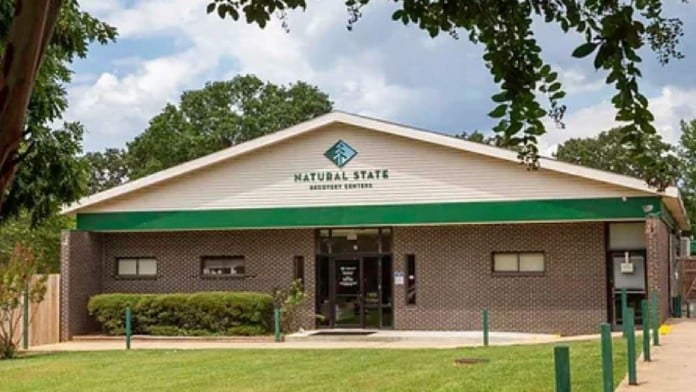
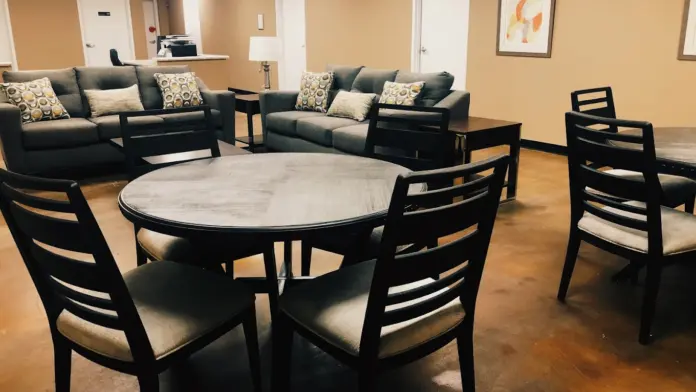
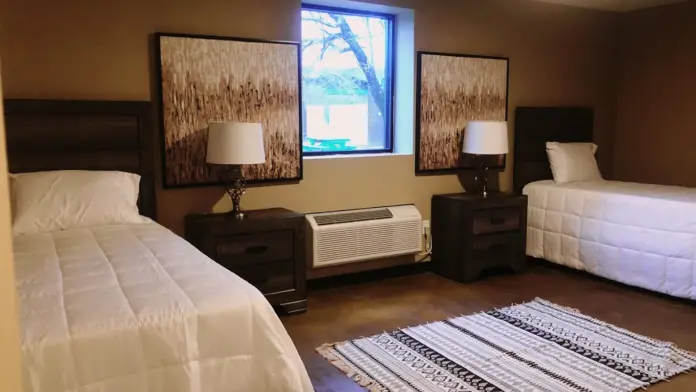
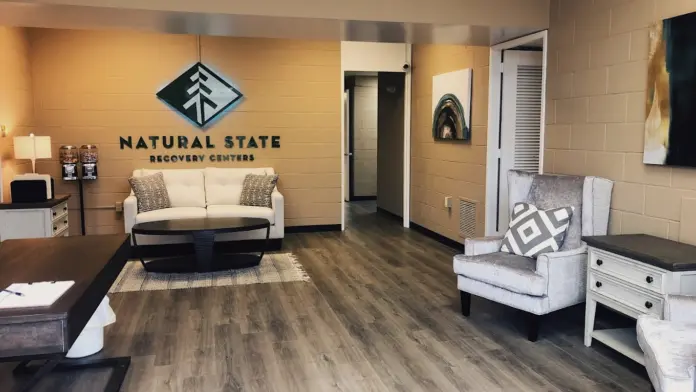
North Little Rock, AR | Natural State Recovery Centers in North Little Rock, Arkansas, offers full care for those battling mental health crises and substance abuse issues. They have a strong emphasis on community and traditional therapeutic practices paired with holistic and customized care. One thing that sets them apart is their focus on the lifelong path to recovery. O | Treatments Programs Payment Options AlcoholismOpioid AddictionSubstance Abuse Adult ProgramYoung Adult Program Private insuranceSelf-Pay OptionsMedicaidMedicarePrivate Insurance | 
I love Natural State Recovery Centers and the people working there. They are so compassionate and the classes are taught by Masters Level Clinicians which is one of the only facilities in Arkansas that does that. The food is great, oh and they have a track and basketball gym...plus goats!
Kelli Brawley
4 months ago

I went here for a few months for help with tapering off of benzos that I had been prescribed for anxiety. I was having a lot of trouble or with withdrawal symptoms and wanted to make sure I was tapering the correct way. I met with Brian a couple times and he was very nice. The only negative I have is he did a drug test on me without disclosing that I would get a bill. Now I have a $180 bill to test for drugs that I was prescribed. It would have been nice if the fact that I would have to pay so much for a drug test was disclosed before taking it, and if I had been given an option to opt out.
Meagan Jackson
1 year ago

I would just like to share my experience about Natural State and the guy Michael who manages the sober living houses. If it was not for him my son would be dead. He told me from the beginning that if my son was willing to go to any lengths to change his life then he would have a chance. I almost enabled my son to his grave by not listening to Michael and taking his suggestions. Today my son has a little over a year sober and is a new person. He also suggested that I go to Alanon meetings which I have been for a year and the relief that I get from these meetings are priceless. My son was making every excuse in the world to me and I was believing him instead of someone who has walked in his shoes. Again thank you Michael and Natural State Recovery.
A W
1 year ago
| 
6 6 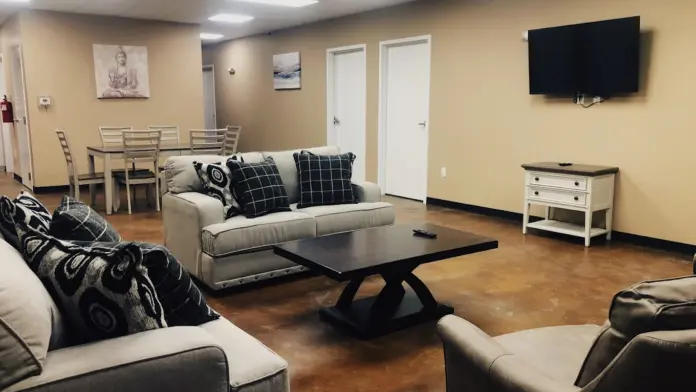
|
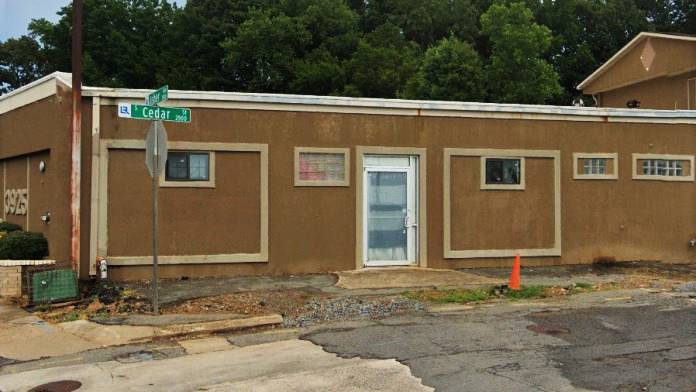
Little Rock, AR | Quality Living Center in Little Rock, Arkansas, provides a crucial outpatient step in addiction treatment. Alongside seeking professional help, they teach you how to develop a healthy and structured home environment and to make changes to your daily routine. During evidence based treatment therapies, you learn how to develop healthy coping mechanis | Treatments Programs Payment Options AlcoholismDrug AddictionOpioid AddictionSubstance Abuse Adult ProgramYoung Adult Program Private insuranceSelf-Pay OptionsFinancial Aid | 
Very helpful and polite people
Gary David
3 months ago

I completed the 28 day program twice and spent over 90 days total. At first I didn't like it. They were strict and it was kinda of a tough love thing, I'm sure of that. But, I appreciated that tough love, structure, and accountability,because that is what I needed at the time. After I finished the 28 they found me a job that I really enjoyed and provided transportation to and from work .
At the N.A. , C.A. and alumni meetings , I came to realize that the people here really do care about me, you, and each other.They want nothing more than to see everyone succeed.They are truly one big family!
Johnny
1 year ago

Helping the community
Raymond Perry
2 years ago
| 
2 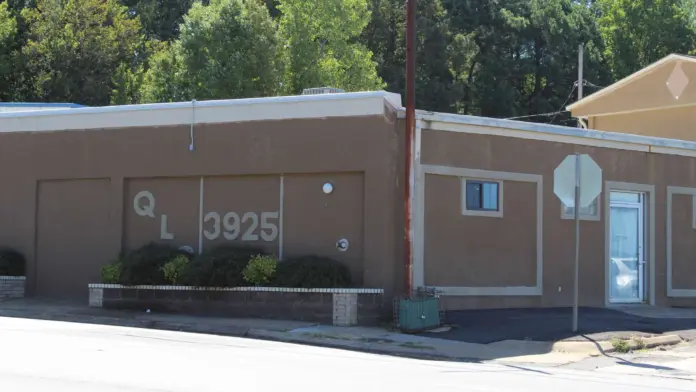
|
Little Rock, AR | Sober Living, Inc. – Food Distribution Center in Little Rock, Arkansas, is a sober living home and food bank serving those in need in the area. The sober living provides transitional housing for those needing a structure and safe space for recovery from substance use disorders. This space is off John Barrow Road, which has public transportation f | Treatments Programs Payment Options AlcoholismDrug AddictionOpioid AddictionSubstance AbuseDual Diagnosis Adult ProgramYoung Adult ProgramMilitary ProgramLGBTQ Program MedicaidMedicarePrivate InsuranceSelf-Pay Options Financing Financing | 
Angela Hardy is the best most caring person I've met on this journey, she helps tremendously with all my needs ive been here almost two months and am looking forward to the one year mark so I can work with those people who are just like me! She treats us like family.ive never been treated like this in Recovery before and am on my way to being the mom and daughter and grandma ive been dreaming of being! Thank you S.L.A for this opportunity!!
Cynthia Keeling
2 months ago

I got at Sober Living in Dec 13 2023 and stayed till April -05-2024 . they lot rules you got no or find the door and i understand that . Your first 30 days you got to remember ,Maintaining abstinence from drugs and alcohol
Paying rent and other fees
Participating in house chores
Attending house meetings
Following curfews
Respecting other residents and staff
Being a team player
Agreeing to random drug and alcohol tests. the lot rules to go by . I watched people get kicked out and that might sound bad but it not . Let me explaine . they start shooting crooked , lying , going behind staff back and thinking they are being slick . no cell phone till you go Block House then you got ask to have one . you got work CQ answering phone and other things ,sighn in and out of bathroom . you get 10 minute shower no longer . write up comes with extra duty ,washing dishes ,cleaning bathrooms floors , meeting room ,washing cars . when you leave you be diffrent person but it fresh start for you so never take it hard and think you being punished . I did extra work like pick trash up around building . just work program and you see better person inside you .
joseph tate
1 year ago

Great hand wash
Roger Sims
2 years ago
| 
|
Little Rock, AR | Quality Living Center - Transitional Living provides alcohol and drug rehab services to individuals struggling with addiction in Little Rock, Arkansas. They focus on supporting those who need a high level of supervision at the initial stages of their treatment journey. Quality Living Center – Transitional Living focuses on a person-centered a | Treatments Programs Payment Options AlcoholismDrug AddictionMental Health and Substance AbuseOpioid AddictionSubstance Abuse Adult ProgramYoung Adult Program Self-Pay OptionsFinancial AidSliding Scale Payment AssistancePrivate insurancePrivate Insurance |
Very helpful and polite people
Gary David
3 months ago
I completed the 28 day program twice and spent over 90 days total. At first I didn't like it. They were strict and it was kinda of a tough love thing, I'm sure of that. But, I appreciated that tough love, structure, and accountability,because that is what I needed at the time. After I finished the 28 they found me a job that I really enjoyed and provided transportation to and from work .
At the N.A. , C.A. and alumni meetings , I came to realize that the people here really do care about me, you, and each other.They want nothing more than to see everyone succeed.They are truly one big family!
Johnny
1 year ago
Helping the community
Raymond Perry
2 years ago
| |
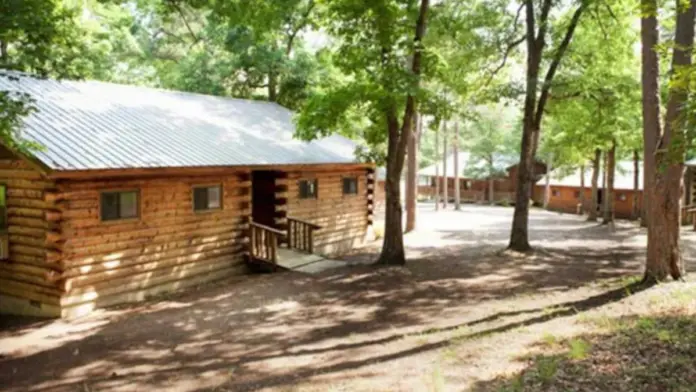
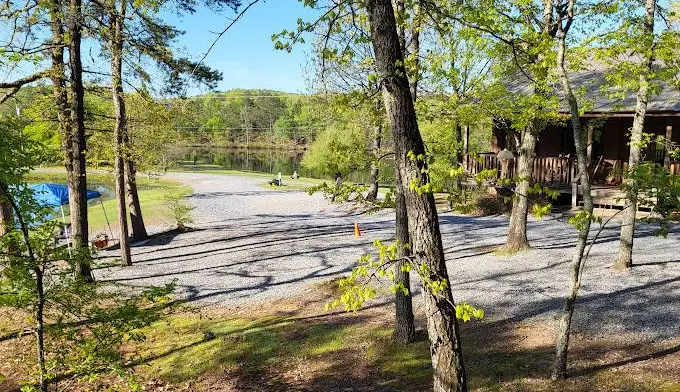
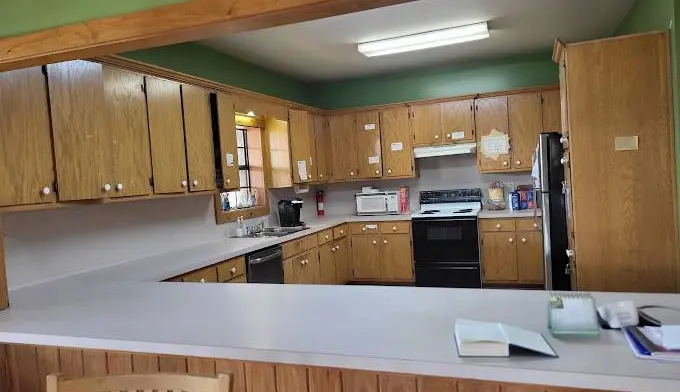
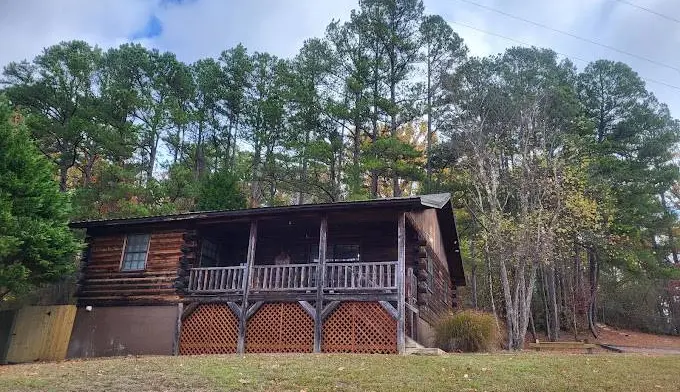
Little Rock, AR | Oasis Renewal Center is an alcohol and drug rehab nestled in 48 acres of serene landscapes in Little Rock, Arkansas. They offer comprehensive residential and outpatient care for adult men and women struggling with addiction and mental health conditions. I love that this program offers continuing care planning from the moment you start treatment. Th | Treatments Programs Payment Options AlcoholismDrug AddictionDual DiagnosisMental Health and Substance AbuseOpioid AddictionSubstance Abuse Adult ProgramYoung Adult ProgramMilitary Program Private insuranceSelf-Pay OptionsFinancial AidMilitary InsurancePrivate Insurance | 
This is a very wonderful treatment center. Classes are also good
Josh
8 months ago

This rehab is very affective in establishing long term sobriety if a person desires it. The negative reviews here are not accurate and the staff very much care for the clients, with most being former addicts and alcoholics themselves. I participated in residential treatment, PHP, and IOP. A client will be paired with a counselor, therapist, and a psychiatrist. Toward the end of treatment a client can be paired with a sponsor of a 12 step program like AA. There are too many resources to list that Oasis and Recovery Centers of Arkansas have to offer, but a person has to desire to be clean/sober and want to change their lifestyle. No one can make an individual stay sober so the staff cannot be blamed especially when they let it be known that the client must put in the effort to rise above their addiction. Thank you so much for accepting me back after 4 years of chronic relapsing. God bless you all!
David Arnold
1 year ago

My experience with Oasis renewal was professionalism, compassion,education, and I left with the clear understanding about my addiction. I struggle with addiction my whole life and I've been to many treatment centers throughout my life but I left Oasis from you or something I can't explain that was different than any other treatment center and I was ever at. I give Oasis renewal five stars thank you
Glenn Wayne Stone
Glenn Wayne Stone
1 year ago
| 
6 6 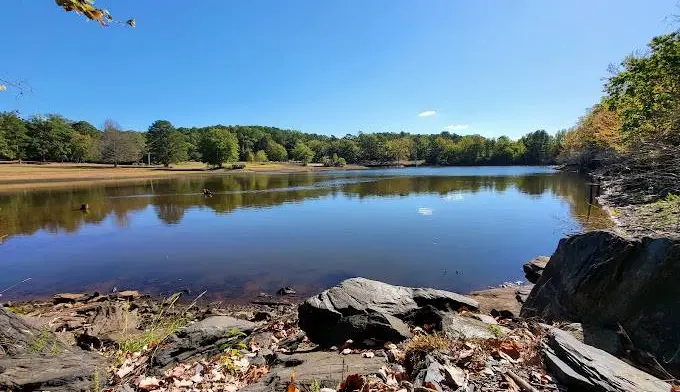
|
North Little Rock, AR | The BridgeWay is a behavioral health provider that offers support for children and adolescents in the North Little Rock, Arkansas area. The center provides comprehensive mental health and drug and alcohol addiction treatment, community care, and prevention services. Addiction and mental health related services offered at The BridgeWay are provided | Treatments Programs Payment Options AlcoholismDrug AddictionDual DiagnosisMental Health and Substance AbuseOpioid AddictionMental Health Adult ProgramYoung Adult ProgramChild ProgramMilitary Program Private InsuranceSelf-Pay OptionsMedicareMedicaidMilitary Insurance | 
Nurse Mary was the absolute best. It was obvious that she felt the only difference between her and us was that she had the keys. Very kind and compassionate while still maintaining boundaries. I couldn’t have asked for a better nurse. She really seemed to love what she does. The doctor I had was condescending and stated that a NP should not be treating me and didn’t know what she was doing, however my NP has never dangerously overmedicated me as he did. I was in the ER the day after leaving with lithium toxicity. I could barely talk or walk. Zero coordination. Shaking. Blurred vision. Near syncope, nausea/vomiting, hot flashes.
Tiffany Kay
1 month ago

I want to Thank unit 5 staff, I wish thier pillow be cold everynight! Nurses, techs, doctors, the driver. I truly appreciate Dwayne without him I wouldn't be able to move own
. MRS. K Thank you so much. God Bless everyone
Delvekeo Wallace
1 month ago

We recently had to make a very difficult decision as our adult son who is on the spectrum asked to go to an inpatient facility because of anxiety and depression. Immediately, I thought of BridgeWay because of seeing them in the community.
From the very first person I spoke with at Admissions, my momma heart felt peace. Jamie, at Admissions, calmed my worry. She was very kind and patient as I explained the situation. She then connected with me Erin, the mobile assessor who was nothing short of amazing. She eases my mind as she talked us through the paperwork and admitted him over the phone. During the admission process at the facility, Brandi at the front desk and Shawn, the therapist who took vitals made my son feel comfortable and were the sweetest. Each nurse I spoke to throughout his stay and the patient advocate on his unit, were phenomenal. The patient advocate was more than a voice for her patients. She was a valuable resource for each one. She took the time to go over everything with me before he came home to let us know, she was there if we needed anything!
The discharge was a smooth process and even after discharge we needed a pharmacy change and Casey, the nurse I spoke to the day after discharge, was on top of it and again, eased my mind. So, the process was smooth and they made it easy during a difficult time.
My son feels so much better. They found a medication regimen that seems to be working wonderfully for his diagnosis and he felt comfortable with the people in his unit. He was listened to by the employees when he felt he needed more from them and felt heard. He left feeling better and that was the most important goal. He left with resources to use outside the facility and a new skill set he can use to cope. So thank you BridgeWay, to each person who helped my baby along the way. Your facility is not only a beautiful facility in a serene environment but also makes the process more than just a process and my son was more than just a number.
Amber Holland
1 month ago
| 
2 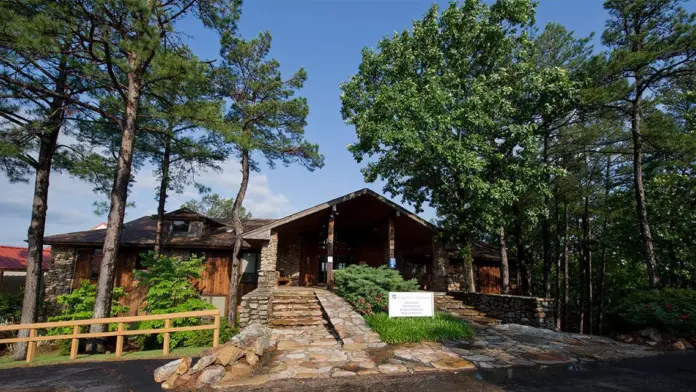
|
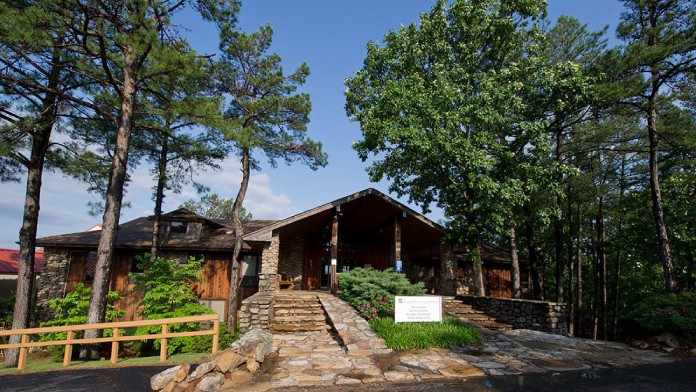
North Little Rock, AR | Located in North Little Rock, Arkansas, Family Service Agency provides substance use treatment, drug and alcohol safety education, counseling and parenting and education courses. They offer outpatient substance abuse counseling, group therapy and other specialized programs including anger management and parenting classes. Family Services Agency pr | Treatments Programs Payment Options AlcoholismDrug AddictionMental Health and Substance AbuseOpioid Addiction Adult ProgramYoung Adult ProgramLGBTQ ProgramMilitary Program Private InsuranceSelf-Pay OptionsFinancial AidSliding Scale Payment AssistanceMilitary InsuranceMedicaid | 
The best fast help we can have in littlerock arkansas there so alsome
rickey burns
8 months ago

May not want to be there, but the staff makes you feel like a person, not a number. Very nice.
MTP
1 year ago

Drop somebody off there for they class.
Kawanna White
2 years ago
| 
2 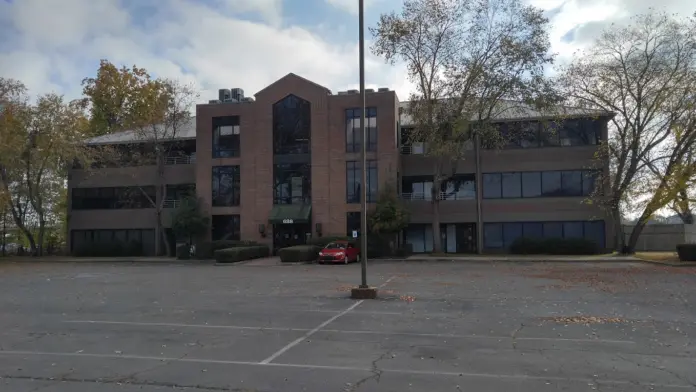
|
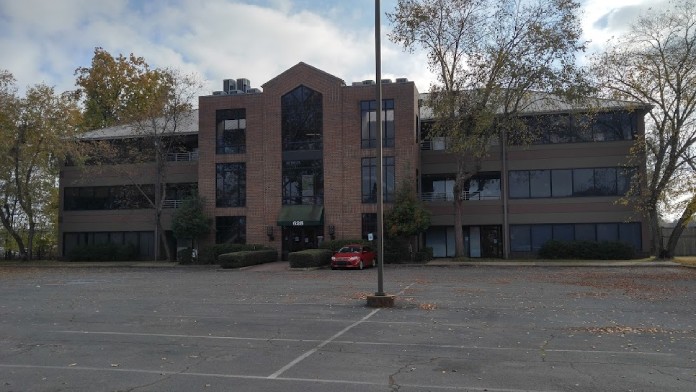
Little Rock, AR | Central Arkansas Veterans Healthcare System - John L. McClellan Memorial Veterans Hospital is located in Little Rock, Arkansas. They provide behavioral health care and mental health treatment to Veterans and active military personnel. If addiction is the primary diagnosis, clients may need to be referred to an alcohol or drug rehab center. John L. | Treatments Programs Payment Options AlcoholismDrug AddictionMental Health and Substance AbuseOpioid Addiction Adult ProgramYoung Adult ProgramMilitary Program Private InsuranceSelf-Pay OptionsMedicareMedicaid Free Free | 
I have had great experiences with the doctors and staff here.
Sean Gibson
1 month ago

No one likes having to be checked into a hospital but you could do a lot worse. Everyone I encountered there was very knowledgeable and professional. I definitely would trust them with my life again.
Matt Zajac
3 months ago

Treated my husband like GOLD we won’t go anywhere else!!
Caroline Pittman
4 months ago
|


 Back to AR
Arkansas is ranked 3rd nationwide in terms of addiction treatment affordability, with an average cost of addiction treatment of $53,036.
The costs of drug and alcohol rehab in Arkansas vary widely and depend on several factors, including:
The costs of addiction treatment listed for cities and states are averages based on the cost of the treatment types listed above. These averages are high due to the cost of medical detoxification and residential inpatient rehab programs.
These numbers also reflect the raw cost of drug rehab, before any insurance coverage. The typical individual seeking addiction treatment can expect to pay much less for outpatient or intensive outpatient services than the averages listed below.
There are many ways to pay for drug rehab in Arkansas. Most treatment centers accept cash or self-payment, as well as private health insurance. However, there are many treatment centers in Arkansas that accept Medicaid and Medicare, or offer sliding scale payments or other low-cost payment options. Here’s the complete breakdown of how to pay for addiction treatment in Arkansas.
Blue Cross Blue Shield is the most widely-accepted insurance for drug rehabs in Arkansas, with 110 treatment centers in the state accepting their insurance. Aetna is the 2nd most popular with 103 treatment centers accepting it followed by Cigna in 3rd accepted by 100 drug rehabs.
Arkansas is ranked 24th nationwide in drug rehab admissions, with 436 rehab admissions per 100,000 population in 2023, which is lower than than the U.S. national average of 621 admissions per 100,000.
The following are the number of Arkansas rehab admissions in 2023 for each of the 6 most frequently used drug classes, as well as the relative percent for each type of drug.
Source: Substance Abuse and Mental Health Services Administration. National survey of substance abuse treatment services (N-SSATS).
Arkansas is ranked 47th nationwide in terms of annual drug overdoses, with an average of 15.7 overdoses per 100,000 population and a total of 485 overdoses in 2023. Opioid abuse accounted for 61% of all drug overdoses in Arkansas, with a total of 295 opioid overdoses in 2024.
Centers for Disease Control and Prevention. Provisional drug overdose death counts. U.S. Department of Health and Human Services.
Arkansas is ranked 10th for drug and narcotics-related violations, with an estimated 630 narcotics citations per 100,000 population which is higher than the National Average of 421.
All values are per 100,000 population.
Federal Bureau of Investigation. Crime data explorer: Crime trends. U.S. Department of Justice.
Arkansas has the 32nd highest rate of drunk driving in the nation, with a total of 194 DUI arrests per 100,000 people in 2023 (and 5,947 total DUI arrests).
All values are per 100,000 population.
SafeHome.org. DUI statistics and trends.