






























































































Saved my sons life... Can't praise the staff enough.
About Waismann Method Rapid Detox Center
Clients undergo a personalized evaluation and are assigned a care team. Under rapid sedation-assisted detox, clients are administered antagonist naloxone while sedated so they can sleep throughout their withdrawal. This process can reduce physical detox to a few hours and the post-detox stabilization phase to a few days by decreasing the discomfort that traditional withdrawal can induce. Transportation to and from airports is available.
Clients who complete the rapid sedation-assisted detox are transferred to the Domus Retreat in Orange County to complete the detox process. These additional detox programs can include medications and alternative holistic treatments. Meetings and chores are not mandatory. The facility includes private rooms, meals, individual psychotherapy, peer support, emotional support, massage therapy, IV therapy, psychodrama therapy, yoga, a pool and gym, and group activities. Clients are supervised 24/7 and have amenities that include laundry and complimentary toiletries. Stays at the Domus Retreat last up to one week.
In addition to MAT, clients may receive monitoring, evaluations, and support from their case management team. Post-detox treatments can include Vivitrol injections or oral naltrexone therapy. Programs include individual and group therapy, life skills development, and peer support. Clients have private rooms, meals, and activities within a hospital setting. Inpatient treatment typically lasts 5-10 days.
Clients receive continuous care and support through their case management team. The Domus Retreat may be available for up to one week for clients who decide they need additional resources. Staff may make additional referrals to outside facilities for specialized treatment. Emergency and Veterans hotlines are available 24/7.
Waismann Method – Opioid Detox Treatment is accredited by The Joint Commission and LegitScript certified.
Waismann Method – Opioid Detox Treatment offers self-pay and financing options, including LifeStream. The center does not accept insurance, and its treatment can range from $19,000 to $24,800. However, most major insurance plans, such as Cigna, Blue Cross Blue Shield, Humana, and others, will cover some or all of the costs of ancillary medical, mental health, and/or behavioral health services. Please check with your insurance provider for specific details concerning out-of-network coverage.
Fact checked and written by:
Peter Lee, PhD
Edited by:
Kerry Nenn, BSW
Latest Reviews
This is an almost 5 year update to my review under the Google username "Love is Real Not Fade Away"
Since my last update in 2023, life has still continued to be full of trials and traumas that would have easily pushed the person I was before my treatment and time spent at DOMUS into using opiates again.
In 2024, I was drugged by a stranger at a concert. Without knowing at the time what I was drugged with, it ended up being GHB in my coffee, the on-site medical team administered 5 doses of Naloxone while they waited for the ambulance to arrive.
I needed to be resuscitated 2 times on the way to the hospital, where I woke up confused, with burn marks on my chest, and an awful physical feeling from the amount of Naloxone I was given.
This happened during a time when life was already extremely stressful, and left me in a dark place of low self esteem. That low self esteem did trigger another short stint of Active Substance Use Disorder.
The substance I used during that time is not as important as the substance I did not use at that time: Opiates. And while I wasn't proud of myself for resorting to the use of chemicals to self medicate, I did pat myself on the back everyday for not resorting to what my pre treatment self would have instantly ran to, which was IV Opiates.
After continued therapy, my Substance Use Disorder has been in remission for well over a year now. And that last sentence is something that cannot be understated. Continued therapy for anyone with Substance Use Disorder is a must.
That's not a conclusion I've just come to, but something that was told to me during my time at DOMUS. Where important and life altering therapy sessions with Dr. Livingston took place, and revolved around subjects like: continued therapy, the intrinsic value of myself as a human being, and the fact that I now had a second chance at a life free from opiate use.
As I continue to navigate the current set of struggles and traumas my family and I are experiencing with my own therapist, I often reflect back to those sessions with Dr. Livingston.
I just want to end by saying that I remain forever grateful to everyone at DOMUS, and The Waissmann Method, for helping me rewrite the narrative of my life. A narrative that doesn't involve opiate use in any way.
Thank you all from the bottom of my heart ❤️
It’s not an easy choice but when you decide to get help, this is the place to go. They make sure you’re comfortable and the staff is amazingly caring.
Response from the owner2 months ago
Thank you for your thoughtful feedback. We are truly grateful for the opportunity to provide individuals with the medical care they need, free from judgment and unnecessary suffering. Each person we are able to help is an honor, and we remain committed to offering the highest level of care and compassion.
Just a question? Why don’t you go after the opiate settlement money floating around our towns and states and ask for the money to give scholarships for people who want this but can’t afford it. Better hurry tho because they are going to either waste it on dumb crap or use it to help their cronies personally.
Just saying….
We truly appreciate your support and insight.
Response from the owner2 months ago
Thank you so much for your 5-star review and for your thoughtful suggestion. Unfortunately, much of the settlement money tends to go back to pharmaceutical companies through the use of long-term maintenance treatments like methadone and Suboxone. Sadly, the focus often shifts towards ongoing treatments that generate profit rather than solutions that lead to full recovery.We truly appreciate your support and insight.

Rehab Score
 Our Methodology
Scoring is assigned by a proprietary system which helps surface key metrics that determine quality. The 10-point scale factors in categories such as operations, customer satisfaction, and trust metrics. Read Full Methodology

7.8 / 10
Gallery

Other Forms of Payment
Self-pay involves paying for treatment out of your own pocket. You can use savings or credit, get a personal loan, or receive help from family and friends to fund your treatment. If you don't have insurance or your insurance plan doesn't cover a specific program, self-pay can help ensure you still get the care you need.
Addiction Treatments
Levels of Care
Clients receiving treatment at an outpatient rehab typically do not require hospitalization or intensive supervision and support. Outpatient addiction counseling and recovery education are often offered during the morning, evening, night, and weekend, allowing clients to tailor treatment to their own schedule. Partial hospitalization (PHP) and intensive outpatient (IOP) programs are the most time-intensive and are designed for clients who are at an increased relapse risk and/or who need more robust therapeutic support.
Residential treatment programs are those that offer housing and meals in addition to substance abuse treatment. Rehab facilities that offer residential treatment allow patients to focus solely on recovery, in an environment totally separate from their lives. Some rehab centers specialize in short-term residential treatment (a few days to a week or two), while others solely provide treatment on a long-term basis (several weeks to months). Some offer both, and tailor treatment to the patient's individual requirements.
Drug and alcohol addiction often takes a heavy toll on one's body. Over time, a physical dependence can develop, meaning the body physiologically needs the substance to function. Detox is the process of removing drugs and/or alcohol from the body, a process that can be lethal if mismanaged. Medical detox is done by licensed medical professionals who monitor vital signs and keep you safe, healthy, and as comfortable as possible as you go through detox and withdrawal.
Treatments
The goal of treatment for alcoholism is abstinence. Those with poor social support, poor motivation, or psychiatric disorders tend to relapse within a few years of treatment. For these people, success is measured by longer periods of abstinence, reduced use of alcohol, better health, and improved social functioning. Recovery and Maintenance are usually based on 12 step programs and AA meetings.
Drug rehab in California teaches participants constructive ways to stay clean and sober. Treatment revolves around helping individuals stop using the substance they are addicted to and learn healthy habits to avoid relapse.
Opioid rehabs specialize in supporting those recovering from opioid addiction. They treat those suffering from addiction to illegal opioids like heroin, as well as prescription drugs like oxycodone. These centers typically combine both physical as well as mental and emotional support to help stop addiction. Physical support often includes medical detox and subsequent medical support (including medication), and mental support includes in-depth therapy to address the underlying causes of addiction.
Substance rehabs focus on helping individuals recover from substance abuse, including alcohol and drug addiction (both illegal and prescription drugs). They often include the opportunity to engage in both individual as well as group therapy.
Programs
Adult rehab programs include therapies tailored to each client's specific needs, goals, and recovery progress. They are tailored to the specific challenges adult clients may face, including family and work pressures and commitments. From inpatient and residential treatment to various levels of outpatient services, there are many options available. Some facilities also help adults work through co-occurring conditions, like anxiety, that can accompany addiction.
Recovery is most successful when clients feel accepted and validated by their peers and treatment providers. Facilities that offer LGBTQ-inclusive programming are committed to creating a safe space where everyone can grow and recover without fear of judgment or discrimination. They will have dedicated policies in place to create a safe and supportive environment that fosters free expression.
Clinical Services
In individual therapy, a patient meets one-on-one with a trained psychologist or counselor. Therapy is a pivotal part of effective substance abuse treatment, as it often covers root causes of addiction, including challenges faced by the patient in their social, family, and work/school life.
Substances can prevent the absorption of nutrients and cause damage to your body's systems. Nutrition therapy in California addresses the deficiencies in vitamins and minerals that are caused by substance abuse.
Recreational therapy is included in alcohol and drug addiction treatment to focus on engaging you in healthy activities that reduce your cravings and improve your overall health and well being. When you participate in group sports, art, or nature walks, you develop new interests and find a meaningful way to spend your time and reduce your cravings.
Amenities
-
 Gym
Gym -
 Yoga Studio
 -
 Residential Setting
 -
 Private Rooms
Staff & Accreditations
Staff
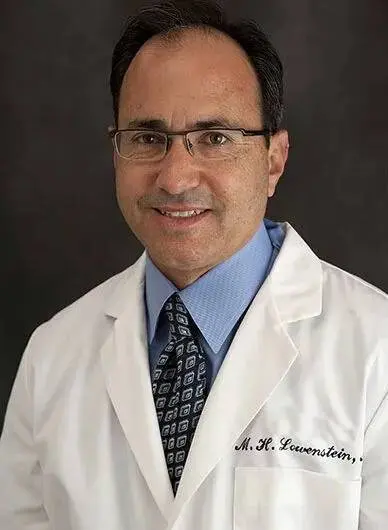
Michael H. Lowenstein, MPH, M.D.
Medical Director
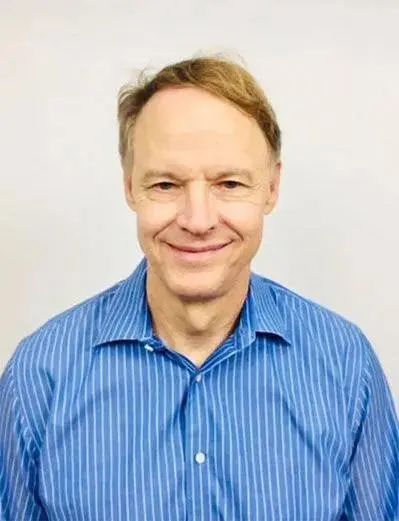
David B. Livingston, MA, LMFT
Psychotherapist
Accreditations

The National Association of Addiction Treatment Providers (NAATP) is a professional association that represents organizations in the field of addiction services. Founded in 1978, NAATP's mission is to advance addiction services and ensure that high-quality addiction treatment is available and accessible.
NAATP Member: Yes
Rehab.com regularly reviews this listing for accuracy but changes may occur between updates. For the most up-to-date information, please contact Waismann Method Rapid Detox Center.
Contact Information

250 N Robertson Blvd
Suite 419
Beverly Hills, CA 90211
Get Help Now - 310-810-3958
Sponsored Helpline
Sponsored Helpline

