




































































































About Mercy House Adult & Teen Challenge
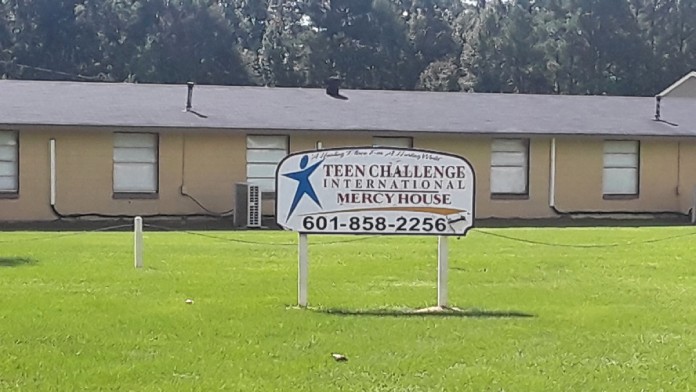
Georgetown, Mississippi, is a small town situated just under 30 miles south of Jackson on Highway 27. Near the town’s eastern border, you’ll find Mercy House Adult and Teen Challenge (ATC), a local chapter of the nationwide network of ATC campuses. This facility serves as both the location for Mercy House’s men’s residential program and the administrative hub for the other programs that fall under their direct control.
Residential Services Offering Refuge and Growth
Their residential program offers an opportunity to adult men and women struggling with addiction to break free in a caring and structured environment. This program plays out over four stages, and participants typically stay in the program for between 12 and 15 months. What’s wonderful about this program is that they offer it at little to no cost, thanks to the organization’s reliance on donations.
In the first phase, they start the program by affirming your value and helping you deal with past wounds, many of which may underlie addictive tendencies. Then, they provide substance counseling, conflict management skills and a structured curriculum of Biblical studies. During these two phases, you’ll stay in an environment they keep safe with a strict set of rules, including requiring complete abstinence from all substances, and a rigid, structured schedule.
The men’s and women’s campuses also have notable differences. While the men’s campus primarily helps with rehabilitation, the women’s campus doubles as a refuge for women and children looking to escape abuse or homelessness.
Developing Employment Skills
Another great part of their approach is that they make work an integral part of the recovery program. During the latter phases of their program, they’ll set you up with a job at one of their three areas of work, helping you develop skills on the job and build a resume for your next step in life. This holistic approach to setting people free from addictions is described by one of their recent residents as “a chain breaker.”
Latest Reviews



Rehab Score
 Our Methodology


Gallery
Other Forms of Payment
Private insurance refers to any kind of healthcare coverage that isn't from the state or federal government. This includes individual and family plans offered by an employer or purchased from the Insurance Marketplace. Every plan will have different requirements and out of pocket costs so be sure to get the full details before you start treatment.
Self-pay involves paying for treatment out of your own pocket. You can use savings or credit, get a personal loan, or receive help from family and friends to fund your treatment. If you don't have insurance or your insurance plan doesn't cover a specific program, self-pay can help ensure you still get the care you need.
Addiction Treatments
Levels of Care
Residential treatment programs are those that offer housing and meals in addition to substance abuse treatment. Rehab facilities that offer residential treatment allow patients to focus solely on recovery, in an environment totally separate from their lives. Some rehab centers specialize in short-term residential treatment (a few days to a week or two), while others solely provide treatment on a long-term basis (several weeks to months). Some offer both, and tailor treatment to the patient's individual requirements. Linden Oaks' Residential Stay Program offers additional support for those who may benefit from a structured living environment. A patient's stay may vary from a few days to 30 days ago. The program includes group, family and individual counseling.
Completing a drug or alcohol rehab program shouldn't spell the end of substance abuse treatment. Aftercare involves making a sustainable plan for recovery, including ongoing support. This can include sober living arrangements like halfway houses, career counseling, and setting a patient up with community programs like Alcoholics Anonymous (AA) or Narcotics Anonymous (NA).
Programs
Adult rehab programs include therapies tailored to each client's specific needs, goals, and recovery progress. They are tailored to the specific challenges adult clients may face, including family and work pressures and commitments. From inpatient and residential treatment to various levels of outpatient services, there are many options available. Some facilities also help adults work through co-occurring conditions, like anxiety, that can accompany addiction.
Young adulthood can be an exciting, yet difficult, time of transition. Individuals in their late teens to mid-20s face unique stressors related to school, jobs, families, and social circles, which can lead to a rise in substance use. Rehab centers with dedicated young adult programs will include activities and amenities that cater to this age group, with an emphasis on specialized counseling, peer socialization, and ongoing aftercare.
Clinical Services
Evidence based therapies offered in group therapy settings in Mississippi ensure that you are accountable to your peers. This encourages everyone to stay committed to their recovery and fosters a sense of community with other participants. You learn essential coping skills that help you navigate challenges within the community and achieve sustainable recovery.
Individual therapy for drug addiction provides you a safe nonjudgmental space to discuss your struggles and past trauma that impact addictive behavior. Your therapist offers support and guidance as you develop personalized strategies to navigate the challenges of recovery.
Family therapy involves group sessions in which all members of the family unit are together to discuss how addiction has affected them collectively and individually. Experienced therapists help guide families to develop strategies that protect their well being and emotional health while supporting their loved one's efforts to recover.
Amenities
-
 Private Rooms
Staff
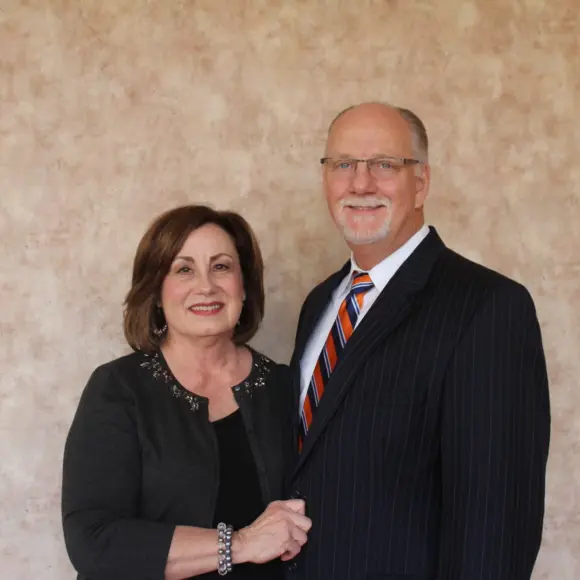
Bryan Wilson
President & CFO

Matthew Milliman
Executive Director&CEO
Rehab.com regularly reviews this listing for accuracy but changes may occur between updates. For the most up-to-date information, please contact Mercy House Adult & Teen Challenge.
Contact Information


1110 Mary St
Georgetown, MS 39078
Sponsored Helpline


