Just what I needed, comfortable, clean and supportive. I experience peace and comfort because of the well managed home.

Ashwood Recovery – Outpatient
1
Top 10 Rehab In Boise





































































































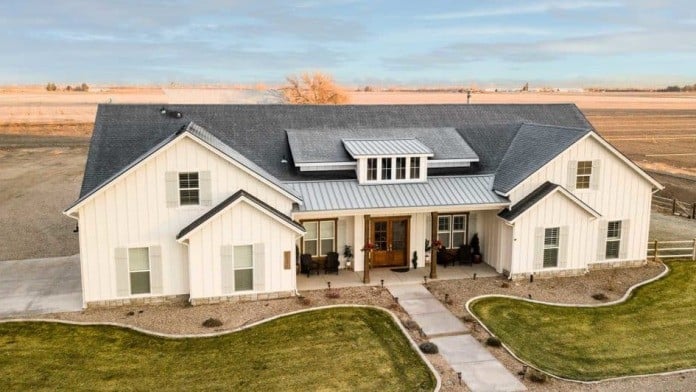
Rising Sun Sober Living is a recovery housing provider operating multiple sober living homes across Idaho, including a location in Eagle. The organization provides structured, substance-free living environments for men and women rebuilding their lives after treatment or incarceration. Residents appreciate the supportive community, clean accommodations and accountability structure that help maintain sobriety during early recovery.
Rising Sun provides sober living housing, not clinical treatment. Residents live in structured, peer-supported homes with house rules including curfew (10:00 pm), random drug and alcohol testing, household chores and mandatory participation in 12-step meetings or other community recovery programs like Celebrate Recovery.
The testing helps ensure that clients are following the program. Peer support offers collaboration with others who have similar backgrounds and challenges and can support continued progress.
Rising Sun serves adult men and women in separate gender-specific homes. The organization is an approved provider with the Idaho Department of Correction and coordinates with probation and parole, making it a strong option for individuals re-entering the community from the criminal justice system.
Residents may live in shared apartments (2 to 6 people), duplexes (up to 8), single-family homes (10) or private rooms at the Rising Sun Inn. All homes include Wi-Fi, laundry facilities and shared bedrooms without bunk beds, plus cleaning supplies and paper products.
Monthly rent is approximately $510 to $600 for the first month then $510 to $550 per month with bi-weekly and weekly payment options available. Residents may ask case managers about transitional funding assistance if needed.
 500
500 
 Our Methodology


Self-pay involves paying for treatment out of your own pocket. You can use savings or credit, get a personal loan, or receive help from family and friends to fund your treatment. If you don't have insurance or your insurance plan doesn't cover a specific program, self-pay can help ensure you still get the care you need.
Financial aid can take many forms. Centers may have grants or scholarships available to clients who meet eligibility requirements. Programs that receive SAMHSA grants may have financial aid available for those who need treatment as well. Grants and scholarships can help you pai for treatment without having to repay.
Outpatient rehab programs are generally less intensive than inpatient care and are designed principally for clients who are medically stable, who have completed detox and/or inpatient care, and who are not at an elevated risk of relapse. Evening, night, and weekend services are commonly available, and most outpatient rehabs offer a variety of treatment modalities to align with clients' unique needs. These typically include psychotherapy, recovery-focused life skills training, and/often, medication assisted treatment (MAT).
Clients requiring treatment in an inpatient rehab are often those who need stabilization support as they exit detox or contend with a life crisis. Residing at the treatment facility enables clients to focus exclusively on their recovery. They engage in extensive psychotherapy and recovery-focused life skills training to support their sustained sobriety and prepare them for outpatient and community-based care. Evidence-based holistic therapies, such as experiential therapy and meditation, are also commonly available.
12-step programs are addiction recovery models based on Alcoholics Anonymous (AA). A number of substance abuse programs (including some drug and alcohol rehab centers) use the 12 steps as a basis for treatment. Beginning steps involve admitting powerlessness over the addiction and creating a spiritual basis for recovery. Middle steps including making direct amends to those who've been hurt by the addiction, and the final step is to assist others in addiction recovery in the same way. 12-Step offshoots including Narcotics Anonymous (NA), Cocaine Anonymous (CA), Dual Recovery Anonymous (DRA), Sex and Love Addicts Anonymous (SLAA) and Gamblers Anonymous (GA). The foundation of their program is base on the Big Book of Alcoholics Anonymous.
Sober Living Houses (SLHs), aka sober homes or halfway houses, are safe, substance-free, supportive living facilities for those recovering from substance abuse. Ideal for those who've just been through inpatient or outpatient treatment, SLHs are supervised environments with rules that support sobriety, such as curfews, shared chores, and therapeutic meetings. Residents are also often trained on life skills and coping skills to make it easier to transition into society. SLHs also provide a strong sense of community that can lead to the kind of deep and lasting connections with other sober individuals that supports a new, healthy lifestyle.
The goal of treatment for alcoholism is abstinence. Those with poor social support, poor motivation, or psychiatric disorders tend to relapse within a few years of treatment. For these people, success is measured by longer periods of abstinence, reduced use of alcohol, better health, and improved social functioning. Recovery and Maintenance are usually based on 12 step programs and AA meetings.
Drug rehab in Idaho provides treatment for addiction to drugs. It usually includes a combination of treatment methods that can involve counseling, medication, and a variety of evidence-based therapies. Programs are designed to help individuals manage their substance use disorder long-term.
Opioid rehabs specialize in supporting those recovering from opioid addiction. They treat those suffering from addiction to illegal opioids like heroin, as well as prescription drugs like oxycodone. These centers typically combine both physical as well as mental and emotional support to help stop addiction. Physical support often includes medical detox and subsequent medical support (including medication), and mental support includes in-depth therapy to address the underlying causes of addiction.
Substance rehabs focus on helping individuals recover from substance abuse, including alcohol and drug addiction (both illegal and prescription drugs). They often include the opportunity to engage in both individual as well as group therapy.
Adult rehab programs include therapies tailored to each client's specific needs, goals, and recovery progress. They are tailored to the specific challenges adult clients may face, including family and work pressures and commitments. From inpatient and residential treatment to various levels of outpatient services, there are many options available. Some facilities also help adults work through co-occurring conditions, like anxiety, that can accompany addiction.
Young adulthood can be an exciting, yet difficult, time of transition. Individuals in their late teens to mid-20s face unique stressors related to school, jobs, families, and social circles, which can lead to a rise in substance use. Rehab centers with dedicated young adult programs will include activities and amenities that cater to this age group, with an emphasis on specialized counseling, peer socialization, and ongoing aftercare.
Recovery is most successful when clients feel accepted and validated by their peers and treatment providers. Facilities that offer LGBTQ-inclusive programming are committed to creating a safe space where everyone can grow and recover without fear of judgment or discrimination. They will have dedicated policies in place to create a safe and supportive environment that fosters free expression.
Group therapy is any therapeutic work that happens in a group (not one-on-one). There are a number of different group therapy modalities, including support groups, experiential therapy, psycho-education, and more. Group therapy involves treatment as well as processing interaction between group members.
Men and women in Idaho may choose a customized drug and alcohol treatment approach using individual therapy. This focuses your attention on the unique challenges in your life and helps you understand the triggers and stressors that increase your risk of drug use. You develop healthier coping strategies to promote sustainable sobriety.
 Residential Setting
  Private Rooms
 Owner
Owner

State Licenses are permits issued by government agencies that allow rehab organizations to conduct business legally within a certain geographical area. Typically, the kind of program a rehab facility offers, along with its physical location, determines which licenses are required to operate legally.
State License: Idaho

10953 Hanley Pl
Eagle, ID 83616
Sponsored Helpline
Just what I needed, comfortable, clean and supportive. I experience peace and comfort because of the well managed home.
It was a great place for my Grand daughter to be.it helped her a lot.only thing I can see though is the caldwell,nampa area needs more of these halfway homes.Addiction is getting worse out there not better.my son has been calling rising sun a month now to be told everyday no ...
The worst conditions to receive medical treatment, have problems with the insects. The attitude of the staff is arrogant as if they were not interested in helping you. Go elsewhere.
 Back
Back
Sharing your insights and experiences can help others learn more about this rehab center.