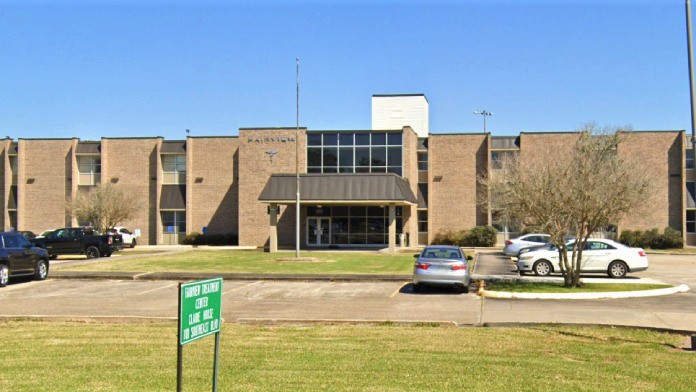
The worst part about this place it's the food. Besides that, it has extremely cold installations and uncomfortable beds. They don't let you do anything because apparently everything is 'a trigger.' Honestly, and for your own good, go somewhere else.
About Fairview Treatment Center
Detox is medically monitored for your safety. You’ll have physicians and nurses available to monitor your progress. Medication assisted treatment (MAT) is available to lessen withdrawal symptoms and reduce drug cravings. They use FDA approved medicines to make guests more comfortable during treatment. The detox service has a total of 10 beds, with five beds for female guests and five beds for males. Detox typically lasts between three and seven days, depending on the symptoms. During this time, you can meet with counselors to determine your progress and receive education and discharge planning.
The inpatient program typically lasts 30 days, depending on the severity of symptoms. During treatment, you’ll address issues like depression, anger, past traumas and other mood conditions.
Counseling can help you uncover the root causes of your substance use. Their team emphasizes a holistic approach. They have local clergy available providing spiritual guidance and support. They believe that joining spiritual beliefs and faith can assist healing because it ushers in comfort and strength to move forward and maintain a sober lifestyle.
Case management is on site to help guide you through the program and connect you to outside agencies or resources for ongoing recovery assistance. Holistic methods, like art therapy, are included to help with self-expression and communication. Art therapy is a valuable tool to give you additional insight into your progress toward sobriety.
The center uses a whole-person approach to help you overcome addiction and maintain long term sobriety. By combining a 12 Step approach, holistic and traditional methods for recovery, they believe their program can help guests overcome addiction and work through underlying conditions associated with substance use.

Latest Reviews
Rehab Score
Gallery
Other Forms of Payment
Private insurance refers to any kind of healthcare coverage that isn't from the state or federal government. This includes individual and family plans offered by an employer or purchased from the Insurance Marketplace. Every plan will have different requirements and out of pocket costs so be sure to get the full details before you start treatment.
Self-pay involves paying for treatment out of your own pocket. You can use savings or credit, get a personal loan, or receive help from family and friends to fund your treatment. If you don't have insurance or your insurance plan doesn't cover a specific program, self-pay can help ensure you still get the care you need.
Financial aid can take many forms. Centers may have grants or scholarships available to clients who meet eligibility requirements. Programs that receive SAMHSA grants may have financial aid available for those who need treatment as well. Grants and scholarships can help you pai for treatment without having to repay.
Sliding scale payments are based on a client's income and family size. The goal is to make treatment affordable to everyone. By taking these factors into account, addiction recovery care providers help ensure that your treatment does not become a financial burden to you or your family, eliminating one barrier to care.

Medicaid is a state based program that helps lower-income individuals and families pay for healthcare. Medicaid covers addiction treatment so those enrolled can use their coverage to pay for rehab. When a program accepts Medicaid the client often pays very little or nothing out of their own pocket.
Addiction Treatments
Levels of Care
Residential treatment programs are those that offer housing and meals in addition to substance abuse treatment. Rehab facilities that offer residential treatment allow patients to focus solely on recovery, in an environment totally separate from their lives. Some rehab centers specialize in short-term residential treatment (a few days to a week or two), while others solely provide treatment on a long-term basis (several weeks to months). Some offer both, and tailor treatment to the patient's individual requirements.
Drug and alcohol addiction often takes a heavy toll on one's body. Over time, a physical dependence can develop, meaning the body physiologically needs the substance to function. Detox is the process of removing drugs and/or alcohol from the body, a process that can be lethal if mismanaged. Medical detox is done by licensed medical professionals who monitor vital signs and keep you safe, healthy, and as comfortable as possible as you go through detox and withdrawal.

Completing a drug or alcohol rehab program shouldn't spell the end of substance abuse treatment. Aftercare involves making a sustainable plan for recovery, including ongoing support. This can include sober living arrangements like halfway houses, career counseling, and setting a patient up with community programs like Alcoholics Anonymous (AA) or Narcotics Anonymous (NA).
Treatments
The goal of treatment for alcoholism is abstinence. Those with poor social support, poor motivation, or psychiatric disorders tend to relapse within a few years of treatment. For these people, success is measured by longer periods of abstinence, reduced use of alcohol, better health, and improved social functioning. Recovery and Maintenance are usually based on 12 step programs and AA meetings.
While each drug rehab in Louisiana offers unique elements, recovery support often follows a similar pattern. Detox is followed by inpatient and/or outpatient care, then aftercare support is provided once the participant completes the initial program.
Substance rehabs focus on helping individuals recover from substance abuse, including alcohol and drug addiction (both illegal and prescription drugs). They often include the opportunity to engage in both individual as well as group therapy.
Programs
Adult rehab programs include therapies tailored to each client's specific needs, goals, and recovery progress. They are tailored to the specific challenges adult clients may face, including family and work pressures and commitments. From inpatient and residential treatment to various levels of outpatient services, there are many options available. Some facilities also help adults work through co-occurring conditions, like anxiety, that can accompany addiction.
Young adulthood can be an exciting, yet difficult, time of transition. Individuals in their late teens to mid-20s face unique stressors related to school, jobs, families, and social circles, which can lead to a rise in substance use. Rehab centers with dedicated young adult programs will include activities and amenities that cater to this age group, with an emphasis on specialized counseling, peer socialization, and ongoing aftercare.
Clinical Services
In individual therapy, a patient meets one-on-one with a trained psychologist or counselor. Therapy is a pivotal part of effective substance abuse treatment, as it often covers root causes of addiction, including challenges faced by the patient in their social, family, and work/school life.
Staff & Accreditations
Staff
Carla B. Pellerin, MHA
Administrator
Lianter Albert, MD
Medical Director
Darlene Pruitt, RN
Director of Nurses
Shelia McCoy, LPC
Clinical Supervisor
William A. Cefalu, Jr., MD
Physician
Louis Cataldie, MD
Addictionologist
Tonya Jones, PLPC
Counselor
Lori Billiot, CIT
Counselor
Accreditations
The Commission on Accreditation of Rehabilitation Facilities (CARF) is a non-profit organization that specifically accredits rehab organizations. Founded in 1966, CARF's, mission is to help service providers like rehab facilities maintain high standards of care.
CARF Accreditation: Yes
Contact Information
1101 Southeast Boulevard
Bayou Vista
Morgan City, LA 70380